
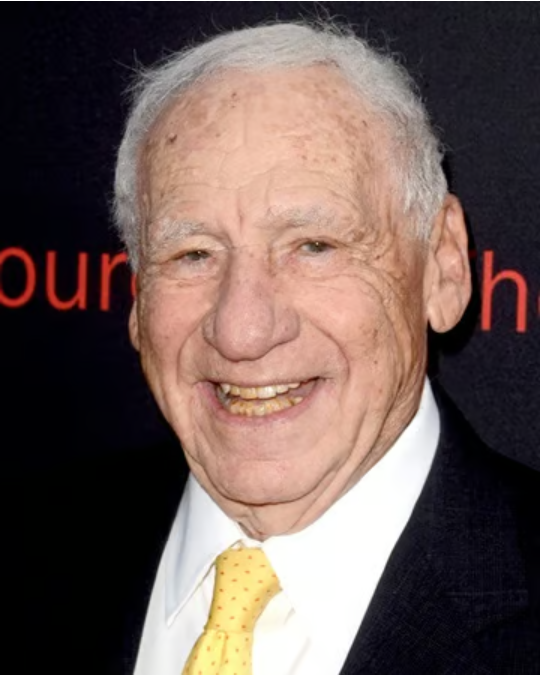
Mel Brooks
Birthdate: June 28, 1926 (100 Years Old)
Birthplace: Brooklyn, New York City, New York, USA
One of the great funny men of post-war America, Mel Brooks (birthname: Melvin Kaminsky) can easily be called a national treasure. With a career so varied and wide-ranging, Brooks can be claimed as a major figure in film, television, theater, and live and recorded comedy. Of Brooks’ careers in various art forms, his movie career has arguably had the biggest impact on contemporary culture, with his debut directorial feature The Producers (1967) innovating (along with Stanley Kubrick’s Dr. Strangelove (1964) three years before) the style of black comedy in mainstream Hollywood comedy, and Blazing Saddles (1974) doing the same for gross-out comedy at least two decades before it became a trend.
Of all of the famed “Borscht Belt” comics of the late 1940s and 1950s, none were able to realize their comic vision in so varied media and with such pop culture impact as Mel Brooks—the only comparable comic being one from the next generation, Woody Allen. The sheer span of years of Brooks’ movie credits, from 1954 to 2022, is surely one of the longest in history, though it’s actually shorter than his total years of show business credits: 73 years, and counting.
Except for one shared screenplay credit for a minor movie musical revue, New Faces (1954)—for which he was credited as Melvin Brooks—Mel Brooks became a moviemaker at the relatively late age of 41 with the subversive hit, The Producers (1967), a groundbreaking musical comedy that has never received enough credit as one of the first post-modern mass entertainments, though it earned Brooks his only Oscar for Best Original Screenplay.
A show about Broadway show that’s designed (for arcane plot reasons) to fail by being offensively pro-Hitler, The Producers is one of the most elaborate skewerings of American show business ever made, and puts the lie to the old Broadway adage “satire is what closes Saturday night.” It also assembled a host of fresh and veteran comic actors, including Zero Mostel, Gene Wilder, Dick Shawn, Kenneth Mars, Estelle Winwood, Renee Taylor, Bill Macy, and William Hickey. Though savaged on its initial release by such important critics as Paulene Kael and Stanley Kauffmann, The Producers is now the second-highest-scoring comedy on the Metacritic website.
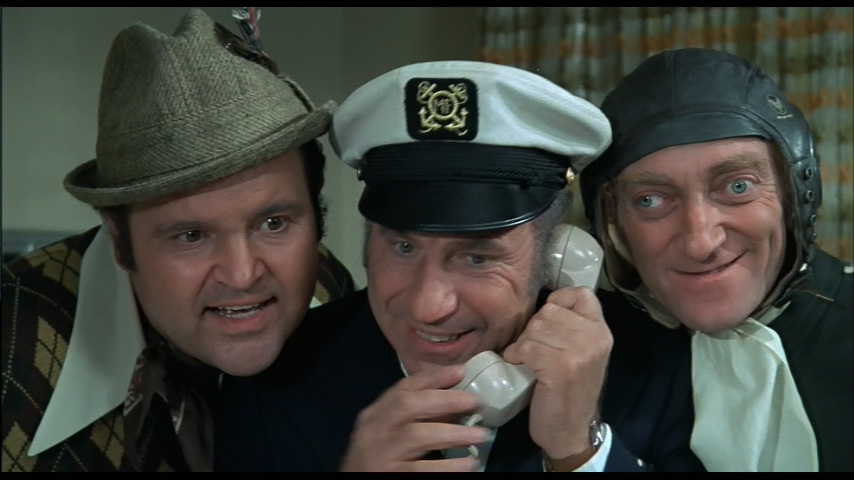
In 1970, Mel Brooks returned as writer-director-co-star in the overlooked The Twelve Chairs, with Dom DeLuise, Ron Moody, Frank Langella, and Brooks, who was nominated for Best Adapted Screenplay by the Writers Guild of America. A rare case of a Hollywood adaptation of Ukrainian comic writing (the source was The Twelve Chairs by the Odesa-based writing partners Ilif and Petrov), the movie was in part Brooks’ homage to his mother, born in Kiyv.
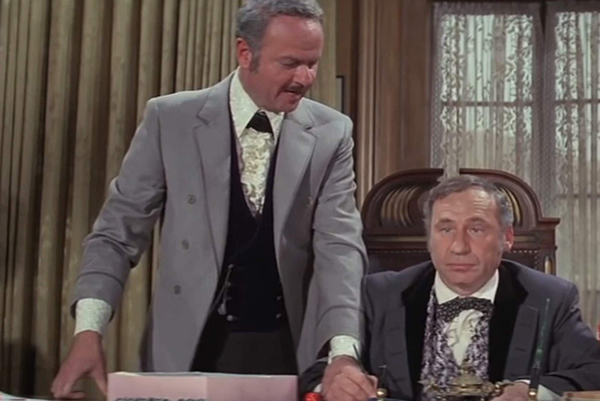
Mel Brooks enjoyed a phenomenal 1974, with a pair of spectacularly successful comedies done in starkly different styles, but with the same underlying Borscht Belt sensibility. Blazing Saddles, with Gene Wilder, Cleavon Little, Slim Pickens, Brooks, Harvey Korman, and Madeline Kahn, was the supremely hilarious and intentionally offensive Western that may have signaled the beginning of the end of the genre, at least as far as the 1970s were concerned. The definitive precursor of the gross-out comedy genre (co-written by the late, legendary comic Richard Pryor), the movie is the basis for the animated Paws of Fury: The Legend of Hank (2022), in which Brooks (at 95 years old) is one of the voices in a cast including Michelle Yeoh and Samuel L. Jackson.
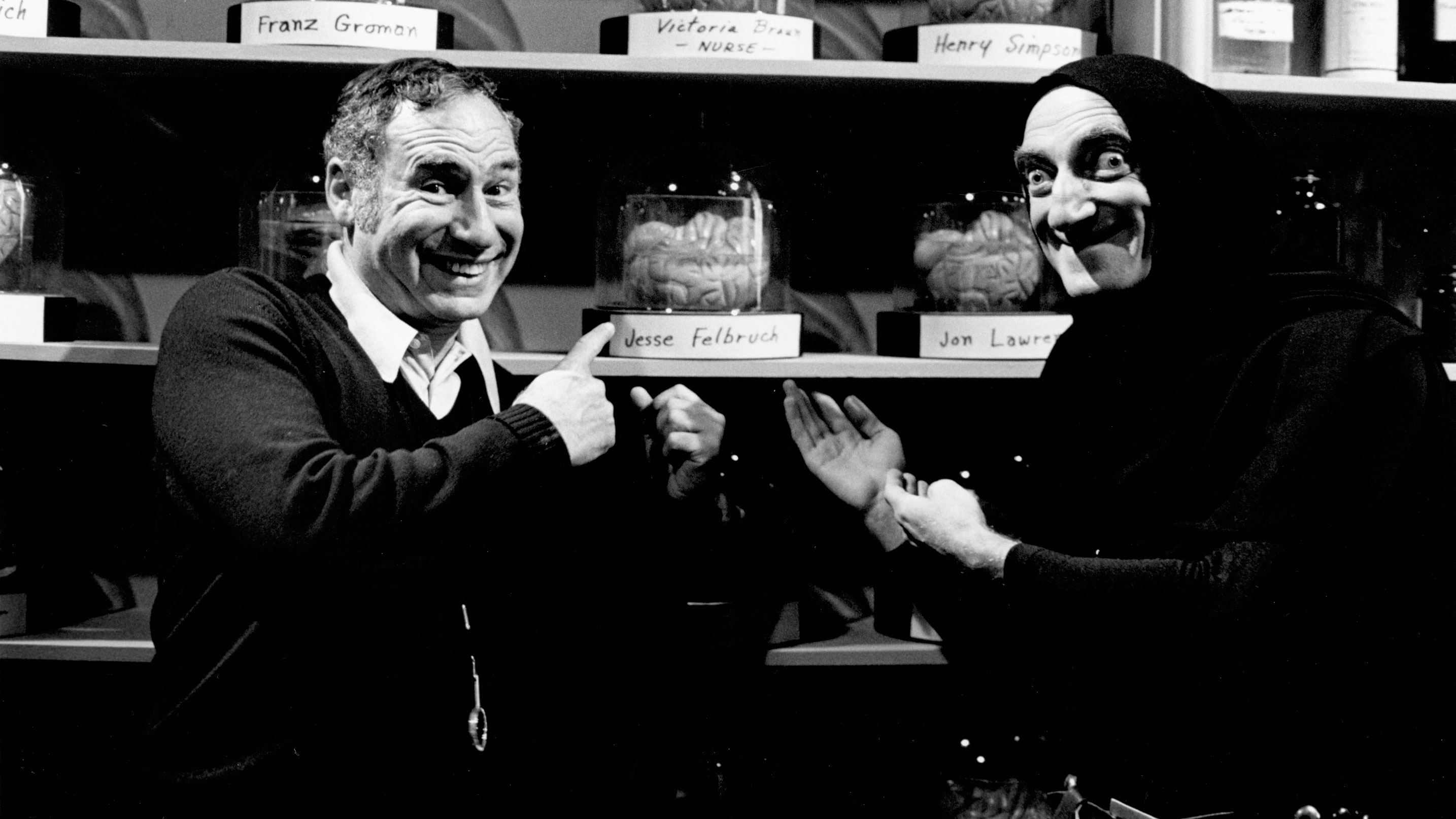
This was followed by what may be Brooks’ masterpiece, Young Frankenstein, a brilliant spoof of the Mary Shelley horror tale with the exquisite ensemble of Kahn, Wilder, Marty Feldman, Peter Boyle, Cloris Leachman, Teri Garr, and Kenneth Mars. Mel Brooks and Wilder were Oscar-nominated for Best Screenplay, and the film went on to become one of the most beloved (and beautiful, in black-and-white) comedies of the modern era, selected for preservation by the Library of Congress's National Film Registry.
Mel Brooks starred, above the title this time, in his silent film era spoof, the good-natured if naughty Silent Movie (1976), with Feldman, Dom DeLuise, Bernadette Peters, and Brooks’ former creative mentor, Sid Caesar. A spoof about showbiz like The Producers, the movie is notable, among other things, for having many cameos for stars playing themselves, including Burt Reynolds, James Caan, Liza Minnelli, Anne Bancroft (Brooks’ wife), and Marcel Marceau. Brooks spoofed another movie target—Alfred Hitchcock, and especially his great Vertigo (1958)—with High Anxiety (1977), with Brooks, Kahn, Leachman, Korman, and Dick Van Patten.
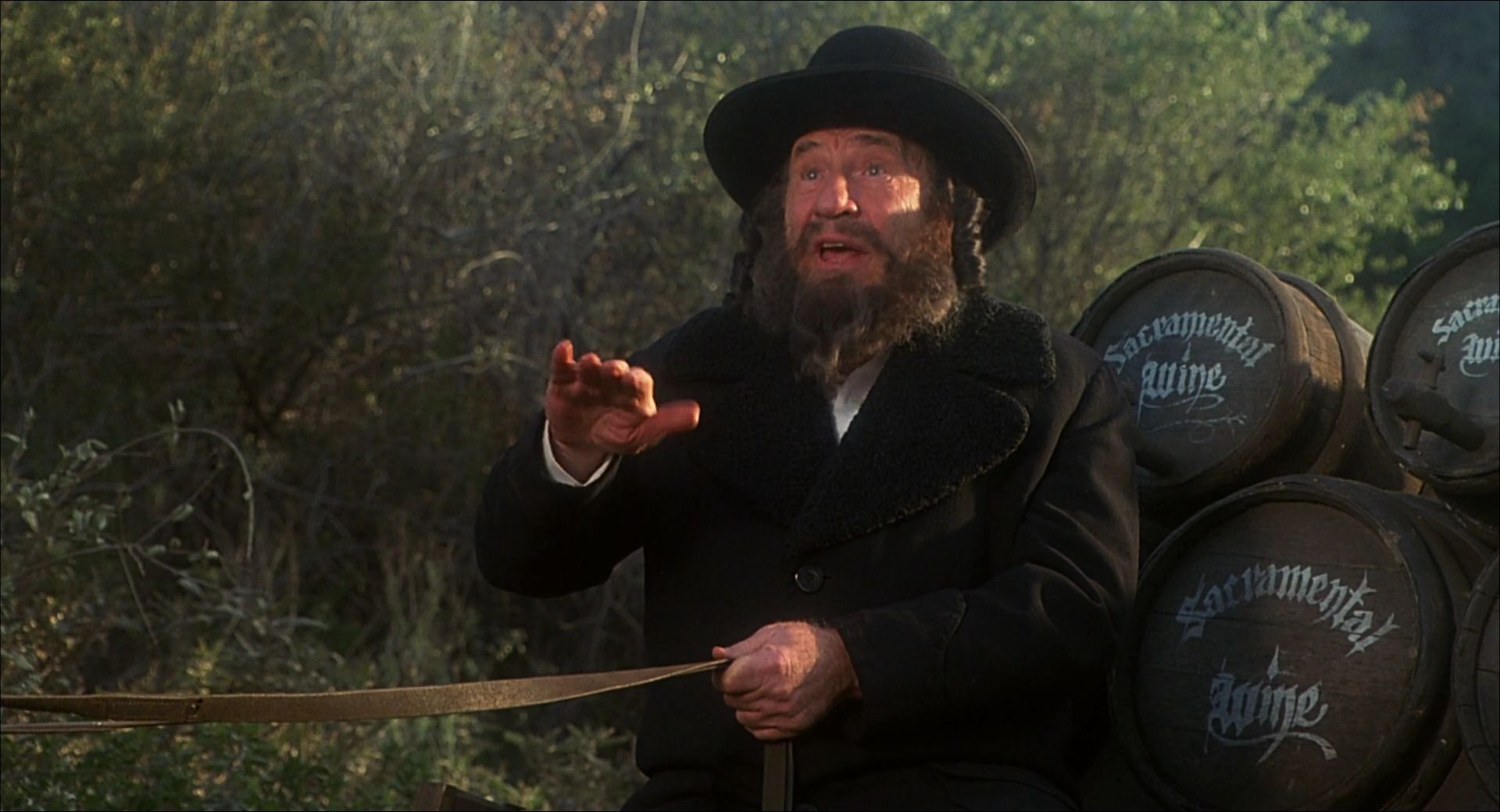
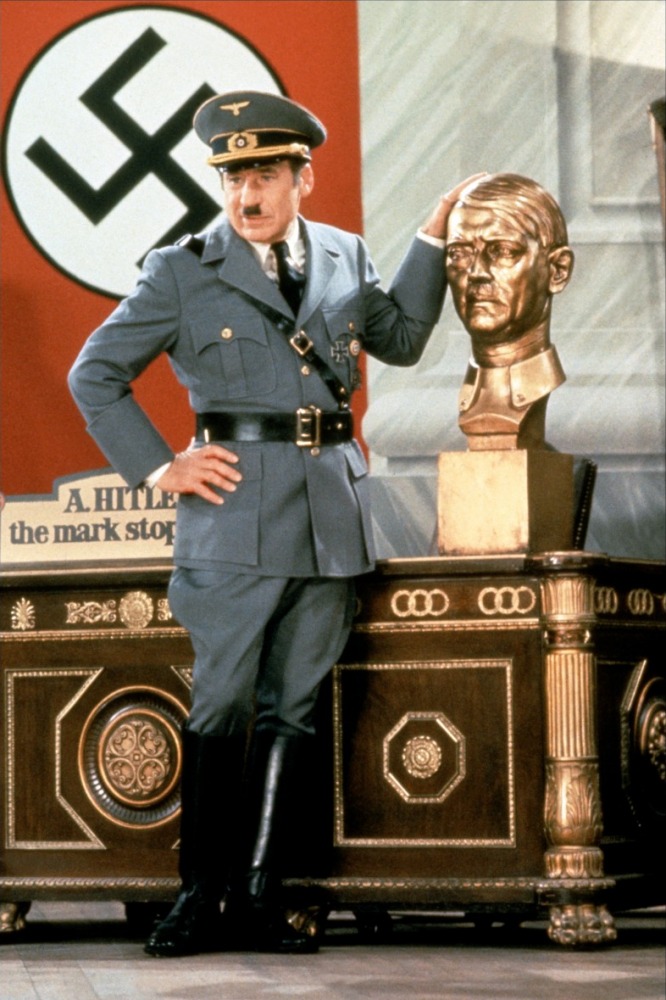
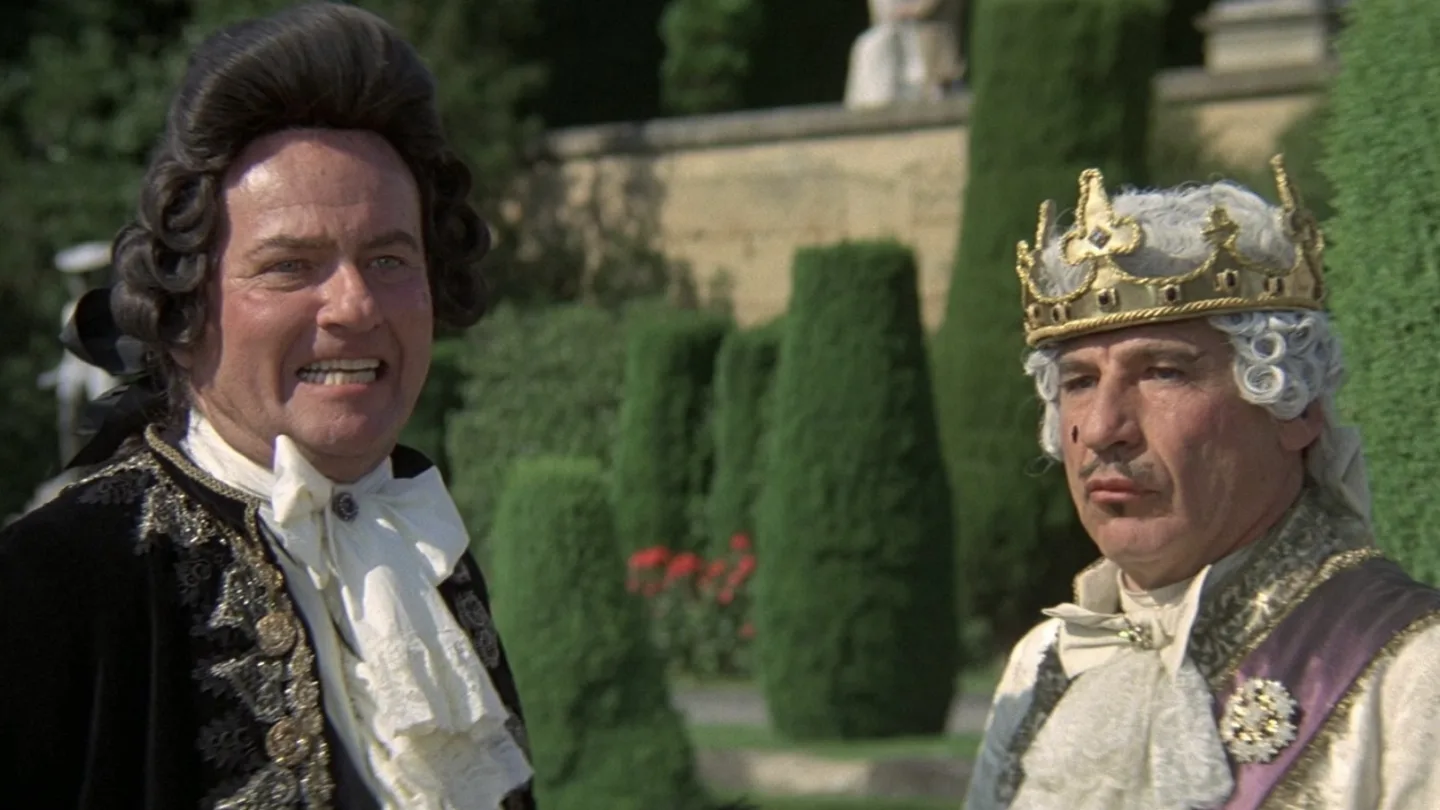
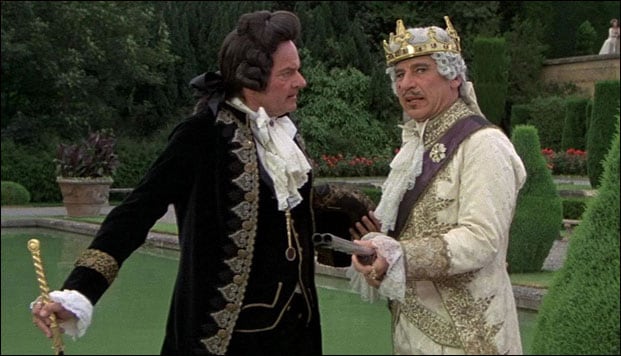
The project marked Brooks’ first speaking lead role and his first as writer-producer-director, which was the case with his five subsequent features. In 1981, Mel Brooks returned with the outrageous comedy, blending Monty Python and A Funny Thing Happened on the Way to the Forum, History of the World, Part I, with DeLuise, Kahn, Korman, Leachman, Ron Carey, Gregory Hines, and Sid Caesar (appearing as “Chief Caveman”). A wild project containing comic vignettes set in the Stone Age, during The Old Testament period, The Roman Empire, the Spanish Inquisition, and the French Revolution (plus a teaser trailer of a “Part II,” including clips of “Jews in Space” and “Hitler on Ice”) the movie displayed Brooks’ increasing ambitions as a filmmaker and an intensely, unheard-of scatological comic sensibility.
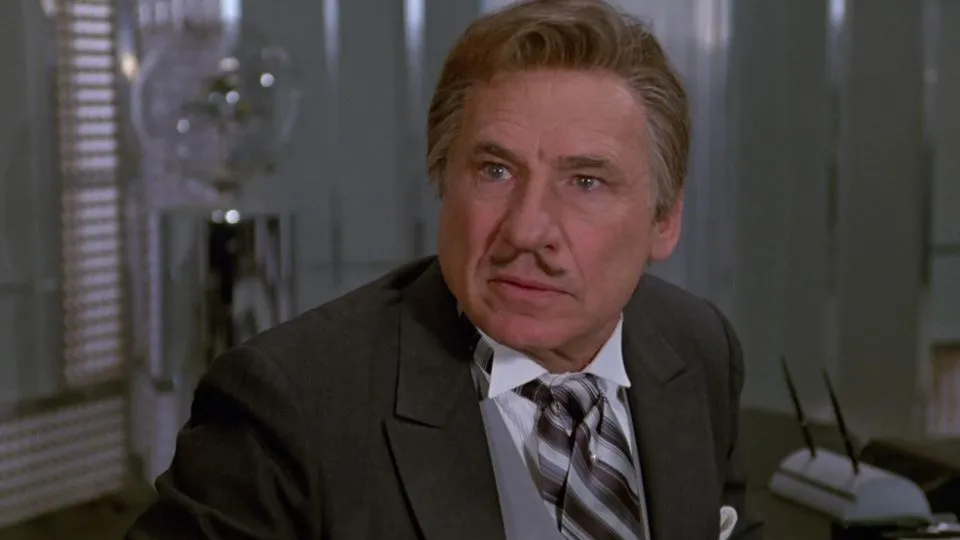
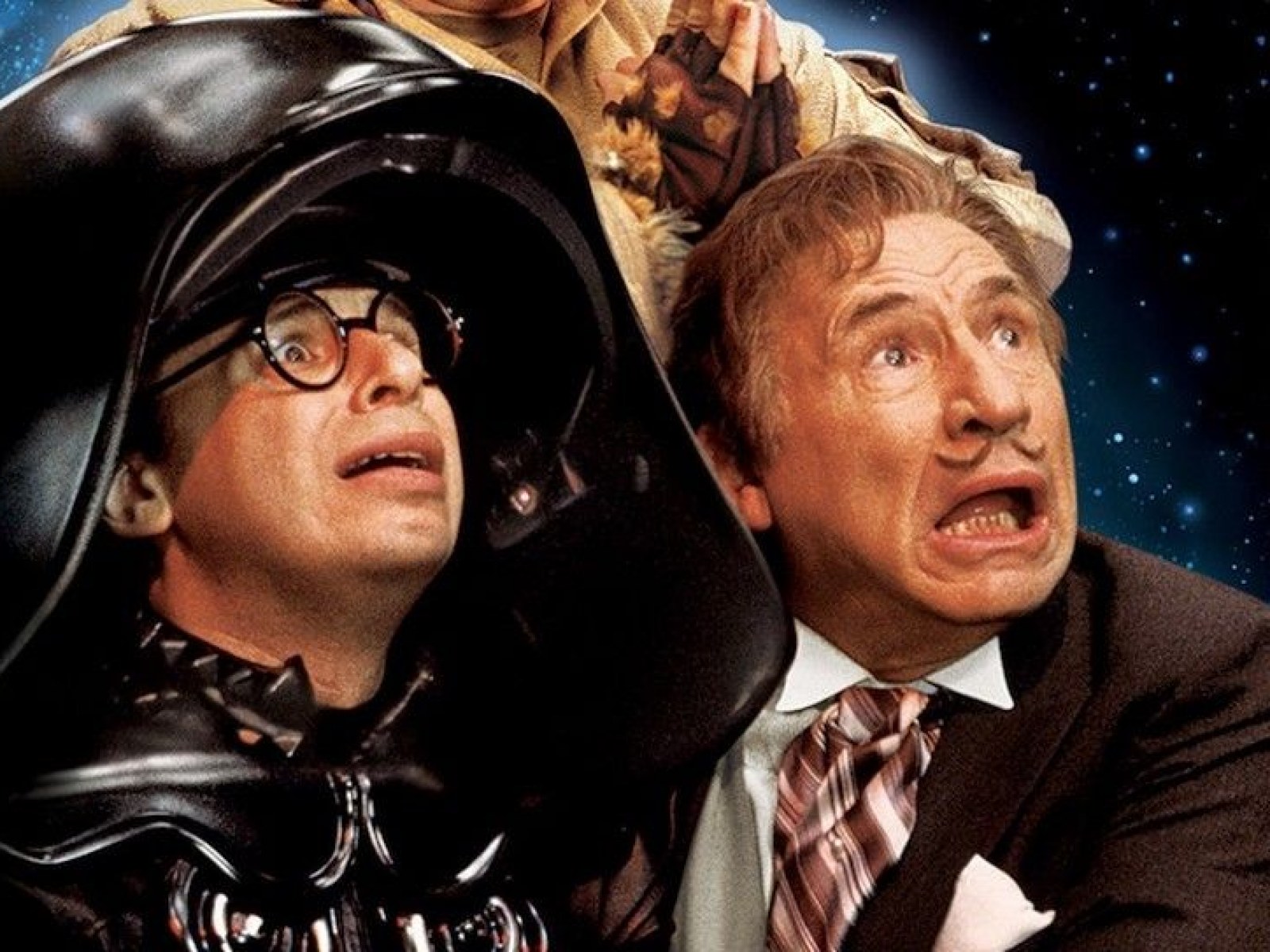
Marking Mel Brooks’ first misstep as a writer-director-producer—and the first without his reliable company of comic actors—the scattershot Spaceballs (1987) mainly spoofed George Lucas’ Star Wars (1977) ten years after the fact, with Bill Pullman, Brooks (who plays a spoof of Yoda called “Yogurt”), John Candy, Daphne Zuniga, Joan Rivers, Rick Moranis, Dick Van Patten, and DeLuise. Notably, the movie’s post-production effects were created by Lucasfilms’ effects unit. Brooks’ first commercial failure was Life Stinks (1991), with Brooks, Lesley Ann Warren, and Jeffrey Tambor, noteworthy mainly as Brooks’ first attempt at a semi-serious, character-based tale somewhat inspired by Dickens’ A Christmas Carol.
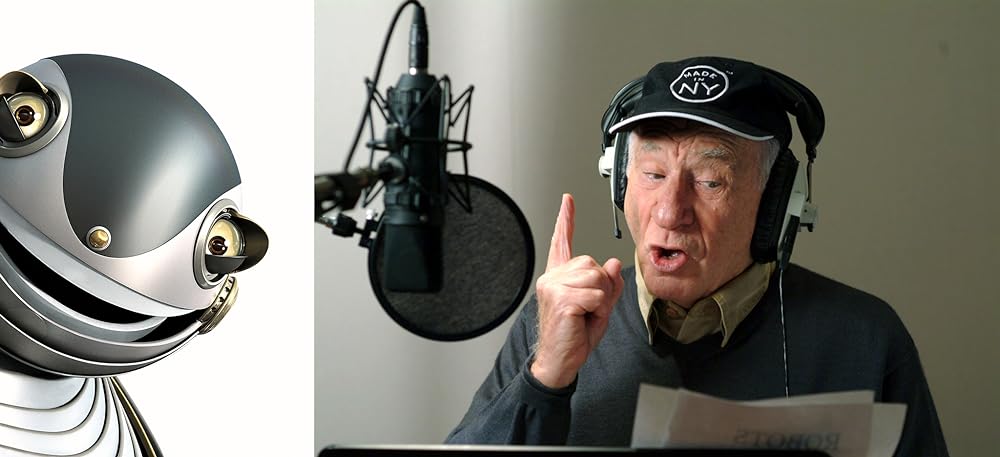
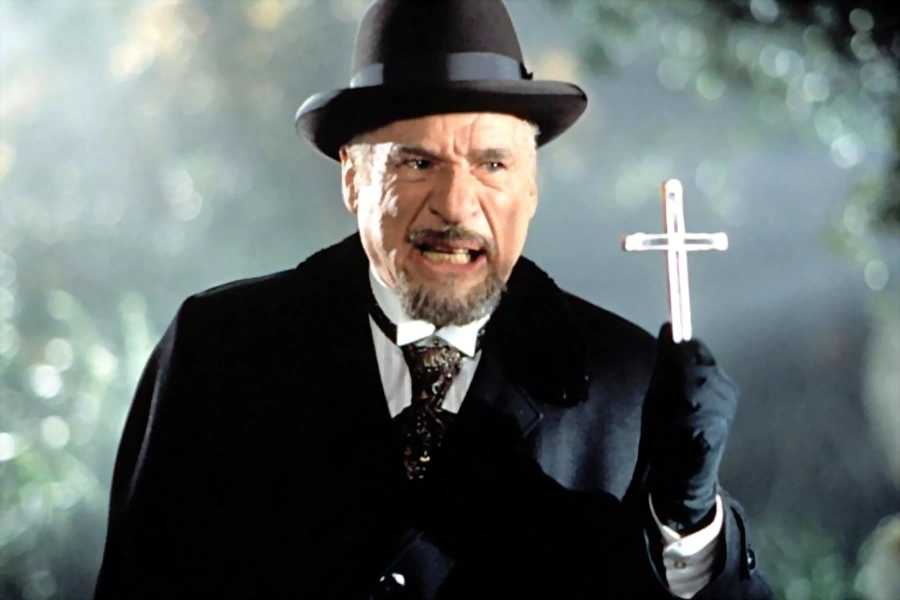
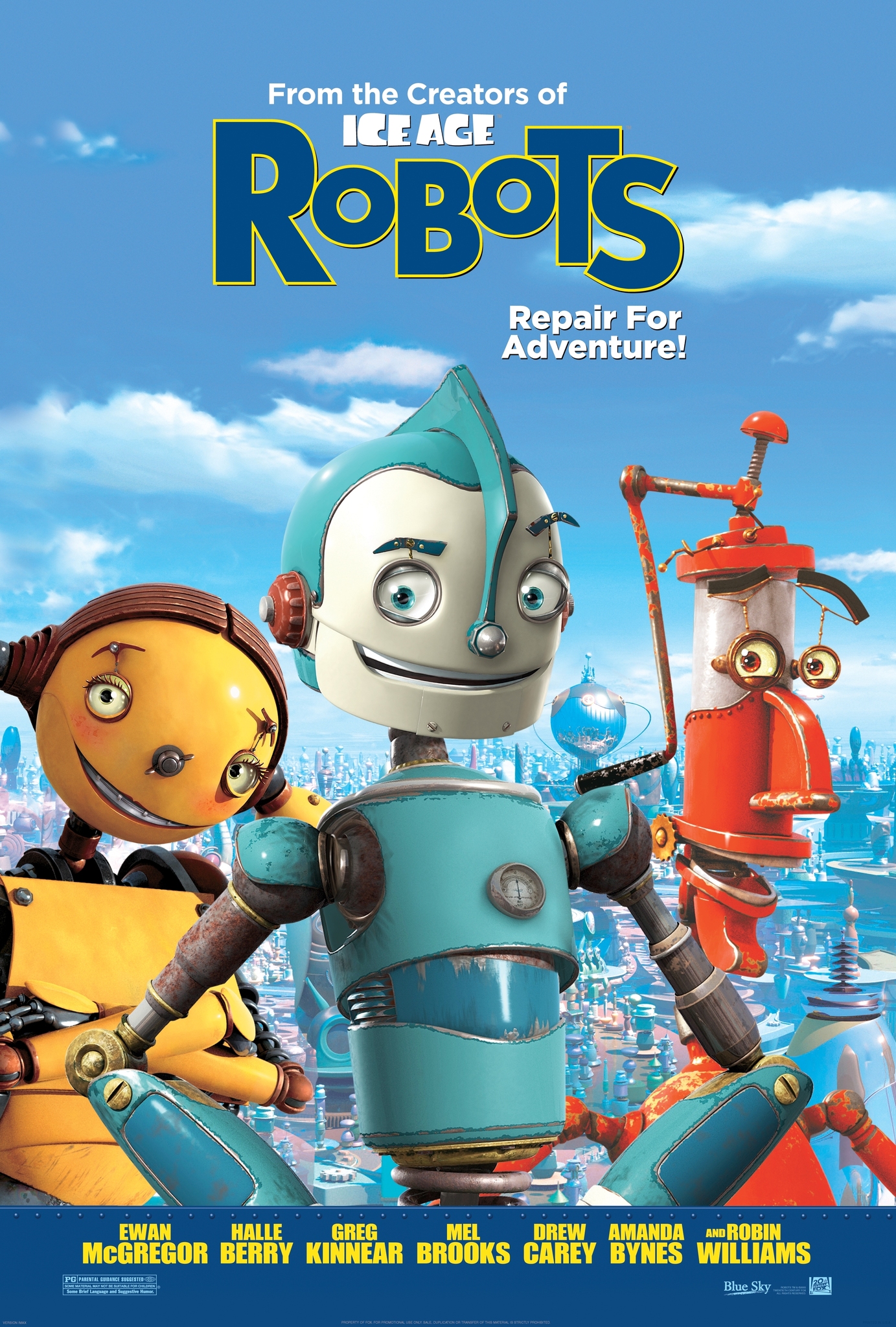
Often overlooked in the Mel Brooks filmography, his spoof Robin Hood: Men in Tights (1993), with Cary Elwes, Richard Lewis, Roger Rees, Dave Chappelle, Isaac Hayes, and Tracey Ullman, is actually one of Brooks’ commercials (if not critical) successes, earning millions in the then-burgeoning home video market. Often deemed to be Brooks’ weakest movie, Dracula: Dead and Loving It (1995), with Leslie Nielsen, Peter MacNicol, Steven Weber, Korman, and Brooks, satirized Bram Stoker’s Dracula and Roman Polanski’s The Fearless Vampire Killers (1967), and was the last movie that Brooks made as writer-producer-director. Since 1995, Mel Brooks’ movie acting activity has been almost entirely as a voice actor in animated features, including a film remake of his own The Producers (2005)—which he wrote—Fox’s Robots (2005), Mr. Peabody & Sherman (2014), Hotel Transylvania 2 (2015) and 3 (2018), and Toy Story 4 (2019), in which he played the role of “Melephant Brooks.”
Sometimes less noted is Brooks’ role as producer of other movies not made by him under his long-running (42 years and counting) company banner, Brooksfilms. Brooks has backed several important films and filmmakers since 1980—most of them, notably, dramas and not comedies--including David Lynch’s remarkable second feature, The Elephant Man (1980), Richard Benjamin’s superb My Favorite Year (1982), Graeme Clifford’s Frances starring Jessica Lange (1982), Alan Johnson’s Ernest Lubitsch remake co-starring Brooks and Anne Bancroft, To Be or Not to Be (1983), Freddie Francis’ overlooked The Doctor and the Devils (1985), David Cronenberg’s The Fly starring Jeff Goldblum (1986), and David Jones’ 84 Charing Cross Road (1987), with Bancroft, Anthony Hopkins, and Judi Dench.
Mel Brooks Photos and Videos


Personal life
Known For
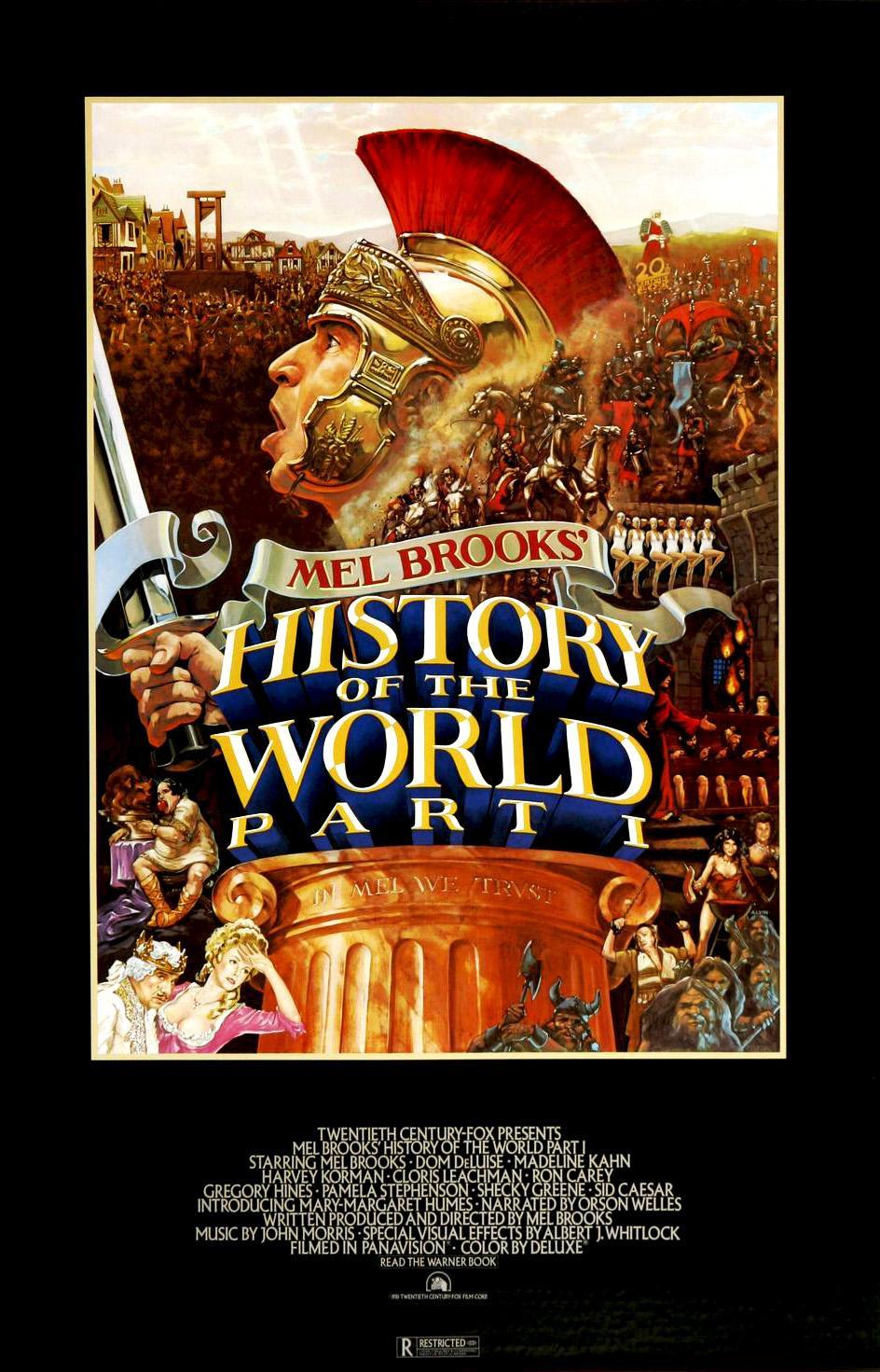
History of the World: Part I
Moses, Comicus, Torquemada, Jacques, King Louis XVI (1981)
Awards
Winner, Best Original Screenplay, Academy Awards (1969); Two-time Nominee, Best Adapted Screenplay/Best Song, Academy Awards (1975); Recipient, Lifetime Achievement Award, American Comedy Awards (1987); Recipient, Lifetime Achievement Award, American Film Institute (2013); Winner, BAFTA Fellowship, BAFTA Awards (2016); Recipient, British Film Institute Fellowship (2015); Four-time Winner, Best Variety Writing/Best Guest Actor, Comedy Series, Emmy Awards (1967, 1997-1999); Nine-time Nominee, Best Comedy Writing/Best Variety Special/Best Variety Special Writing/Best Guest Actor, Comedy, Emmy Awards (1956-1959, 1966, 2012-2013, 2015); Recipient, Honorary Award, Ernst Lubitsch Award (2009); Six-time Nominee, Best Screenplay/Best Actor/Best Picture, Musical or Comedy/Best Song, Golden Globe Awards (1969, 1977-1978, 2006); Recipient, Hollywood Walk of Fame Star (2009); Recipient, Kennedy Center Honor (2009); Winner, Best New Musical, Laurence Olivier Awards (2005); Recipient, National Medal of Arts (2016); Winner, Best Musical, New York Drama Critics’ Circle Awards (2001); Recipient, Laurel Award for Screenwriting Achievement, Writers Guild of America Awards (2003); Two-time Winner, Best Original Screenplay, Writers Guild of America Awards (1969, 1975); Four-time Nominee, Best Written Comedy/Best Adapted Screenplay, Comedy/Best Original Screenplay, Comedy, Writers Guild of America Awards (1969, 1971, 1975, 1977); Three-time Winner, Best Comedy Album/Best Musical Theatre Album/Best Long Form Music Video, Grammy Awards (1999, 2002); Three-time Winner, Best Musical/Best Musical Book/Best Original Score, Tony Awards (2001); Best Motion Picture Cast, Screen Actors Guild (2020).
Mel Brooks Movies
Actor
Previous (14)
- 2022 |
Paws of Fury: The Legend of Hank
asThe Shogun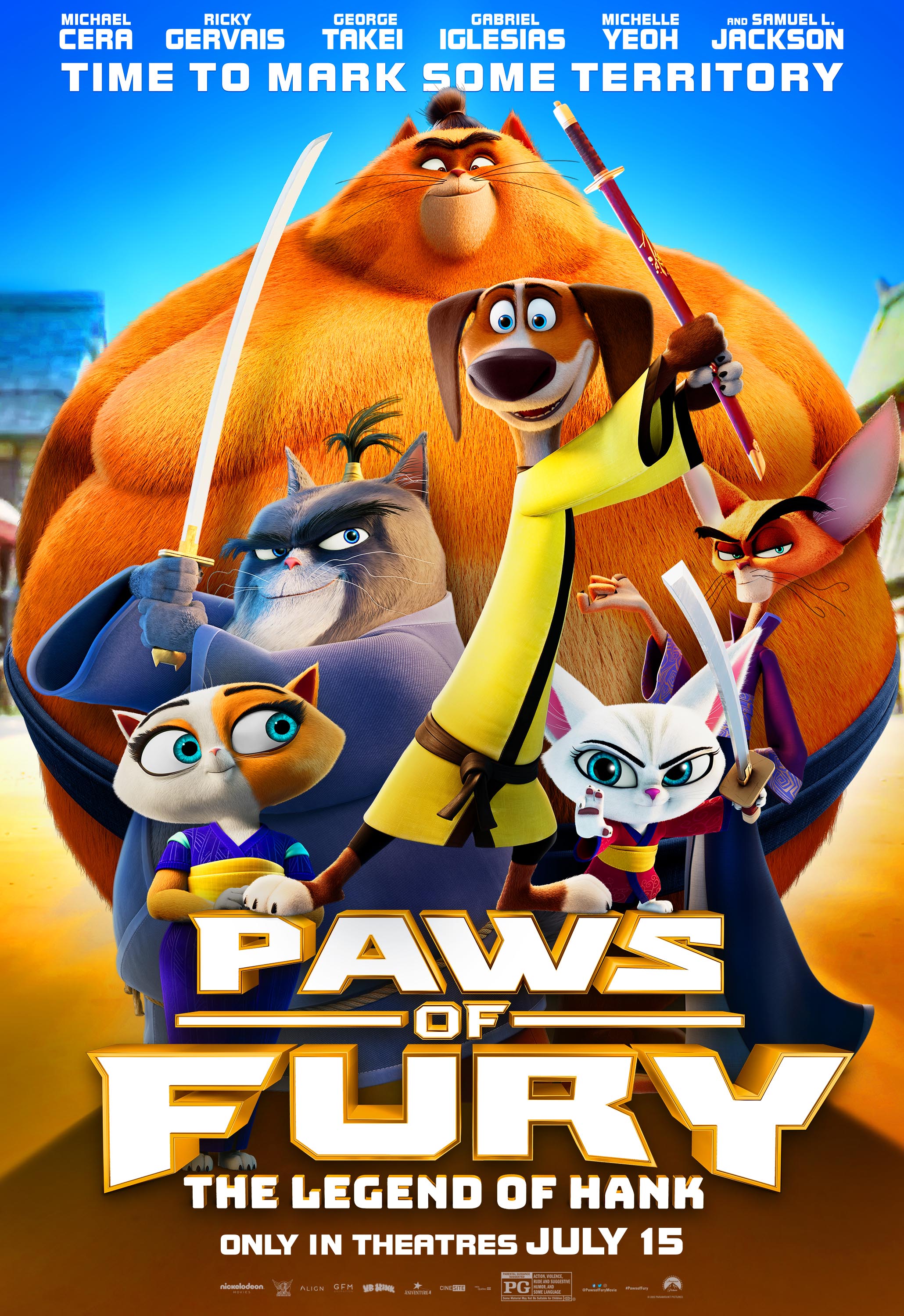
Paws of Fury: The Legend of Hank
Hank, a loveable dog with a head full of dreams about becoming a samurai, sets off in search of his destiny.
- 2022 |
The Automat
asSelf - Comedian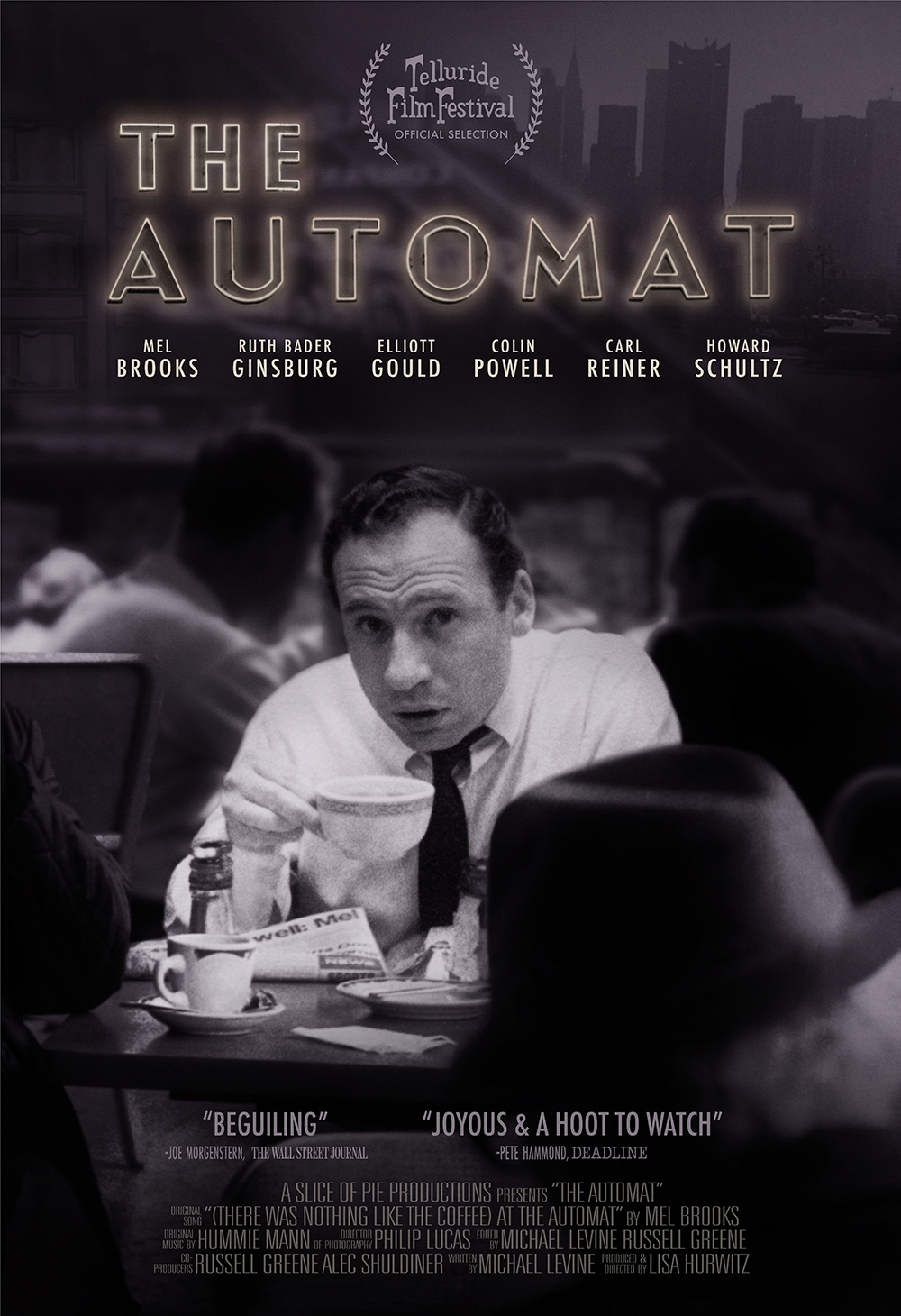
Documentary centers on the vending machine popularized in the 20th century that offered fresh cooked meals in a commissary-style eatery.
- 2018 |
The Great Buster
asSelf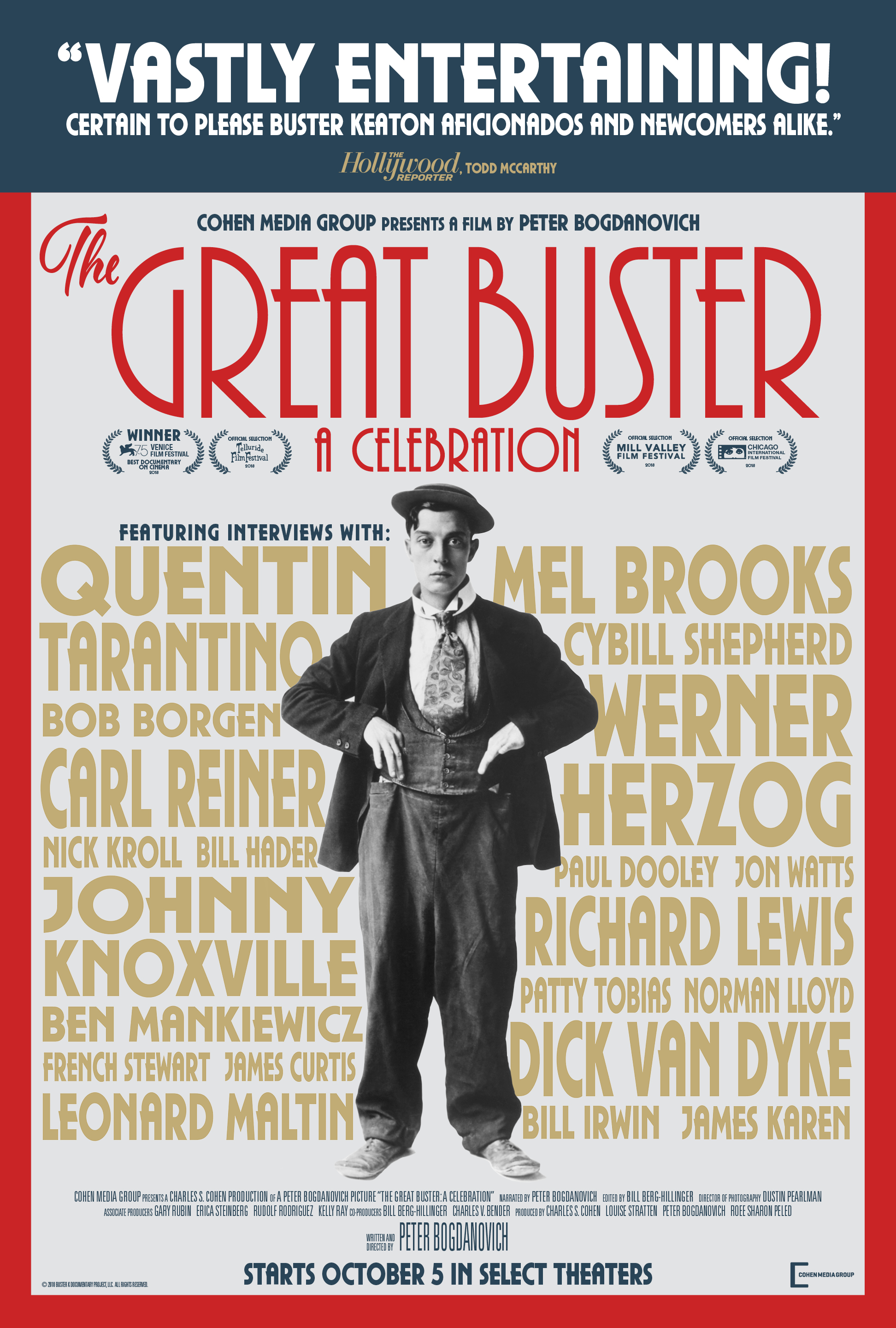
Documentary on the life and works of comic genius Buster Keaton, directed by Peter Bogdanovich.
- 2018 |
Hotel Transylvania 3: Summer Vacation
asVlad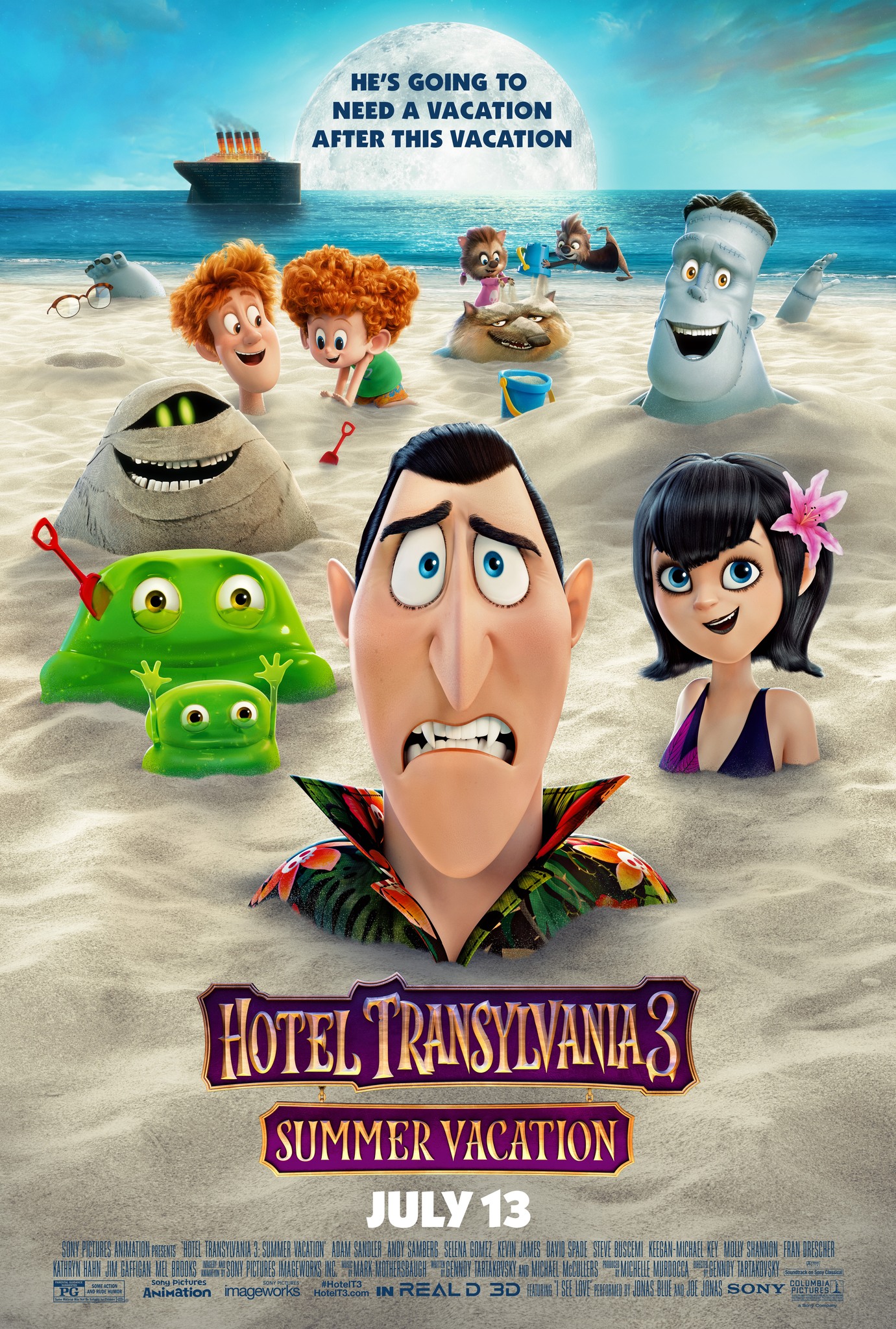
Hotel Transylvania 3: Summer Vacation
Count Dracula and company participate in a cruise for sea-loving monsters, unaware that their boat is being commandeered by the monster-hating Van Helsing family.
- 2017 |
Bombshell: The Hedy Lamarr Story
asSelf
Bombshell: The Hedy Lamarr Story
The life and career of the hailed Hollywood movie star and underappreciated genius inventor, Hedy Lamarr.
- 2017 |
Harold and Lillian: A Hollywood Love Story
asSelf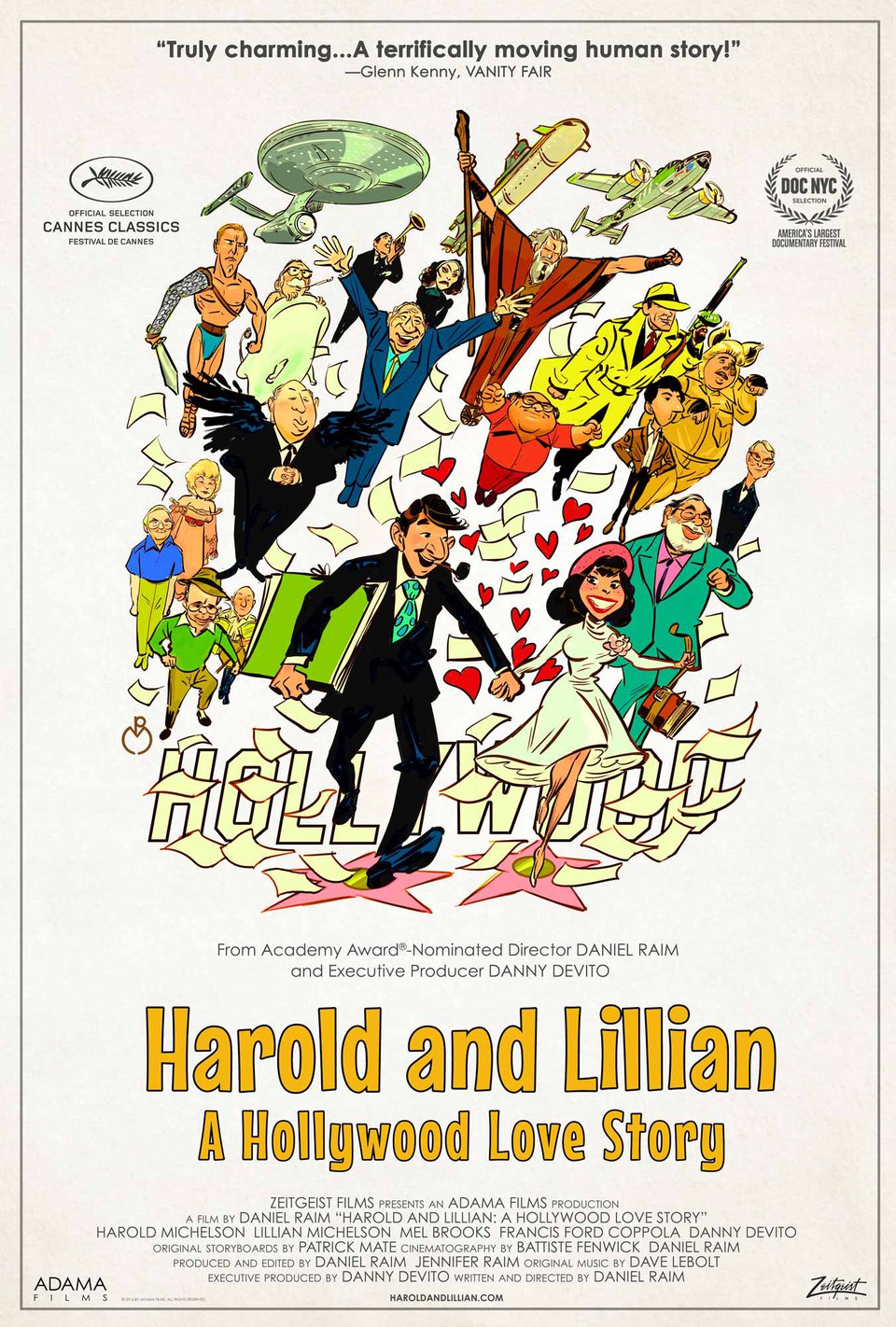
Harold and Lillian: A Hollywood Love Story
Harold and Lillian eloped to Hollywood in 1947, where they became the film industry's secret weapons. Nobody talked about them, but everybody wanted them. Theirs is the greatest story never told-until now.
- 2017 |
- 2016 |
Norman Lear: Just Another Version of You
asSelf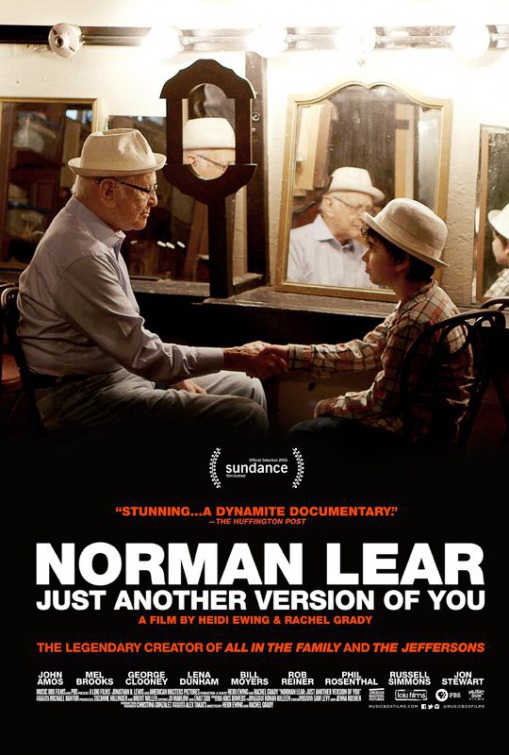
Norman Lear: Just Another Version of You
A look at the life, work and political activism of one of the most successful television producers of all time, Norman Lear.
- 2015 |
Hotel Transylvania 2
asVlad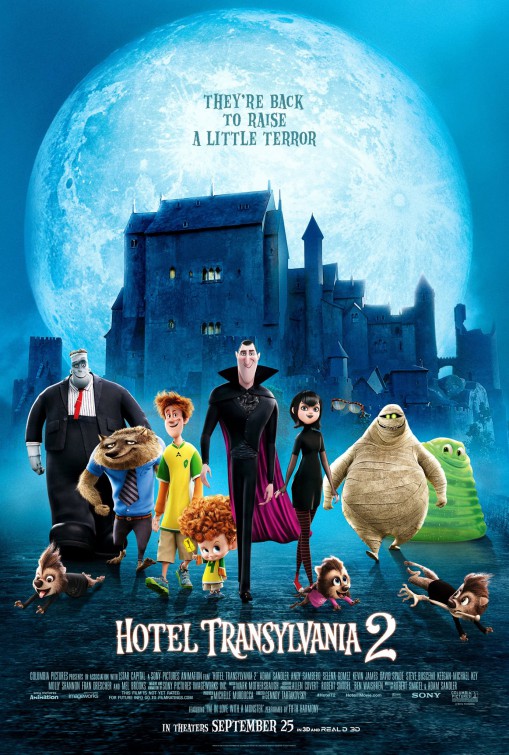
Dracula and his friends try to bring out the monster in his half human, half vampire grandson in order to keep Mavis from leaving the hotel.
- 2005 |
- 1987 |
Spaceballs
asPresident Skroob, Yogurt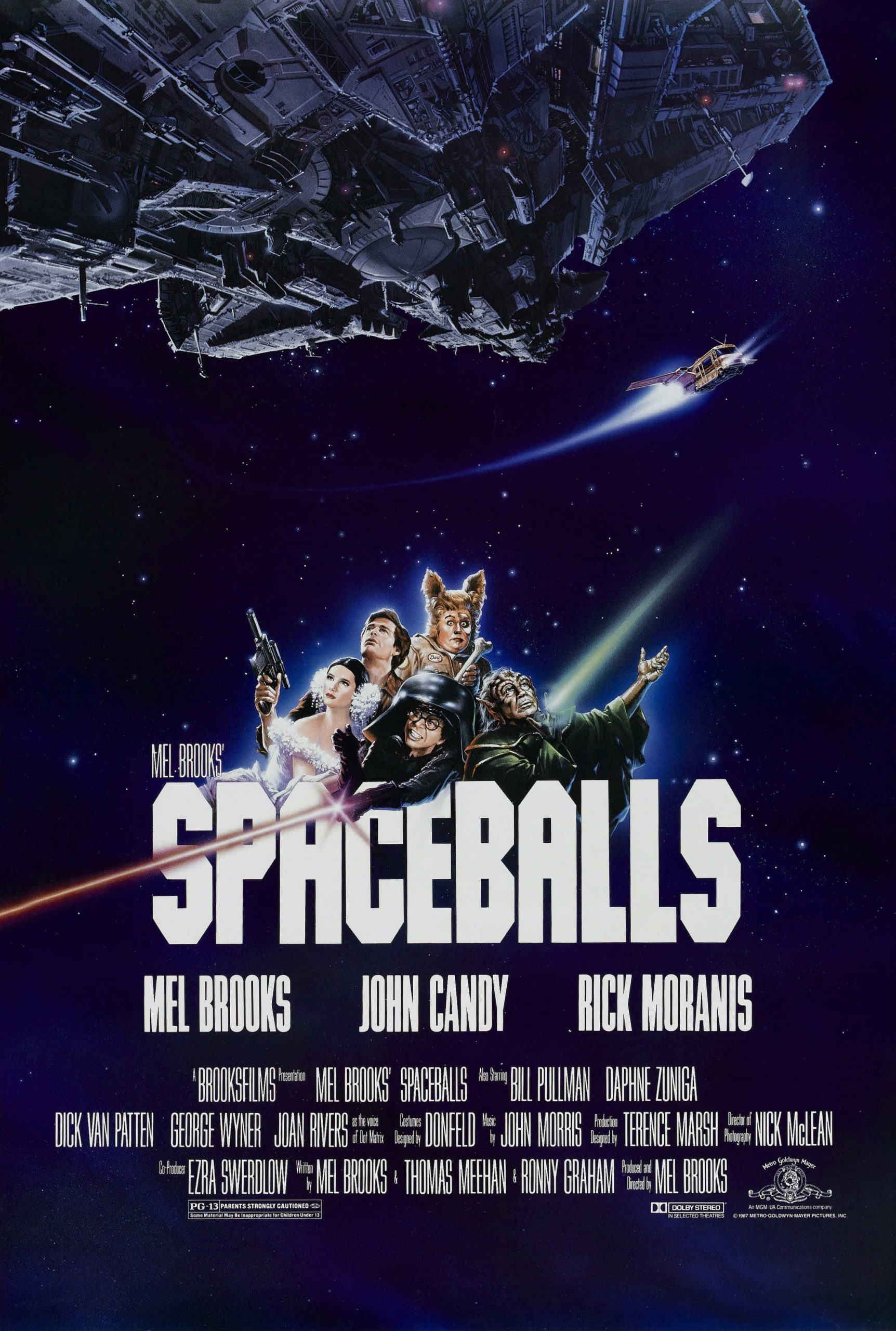
A star-pilot for hire and his trusty half-dog sidekick must come to the rescue of a spoiled princess and save Planet Druidia from the clutches of the evil Spaceballs.
- 1979 |
The Muppet Movie
asProfessor Max Krassman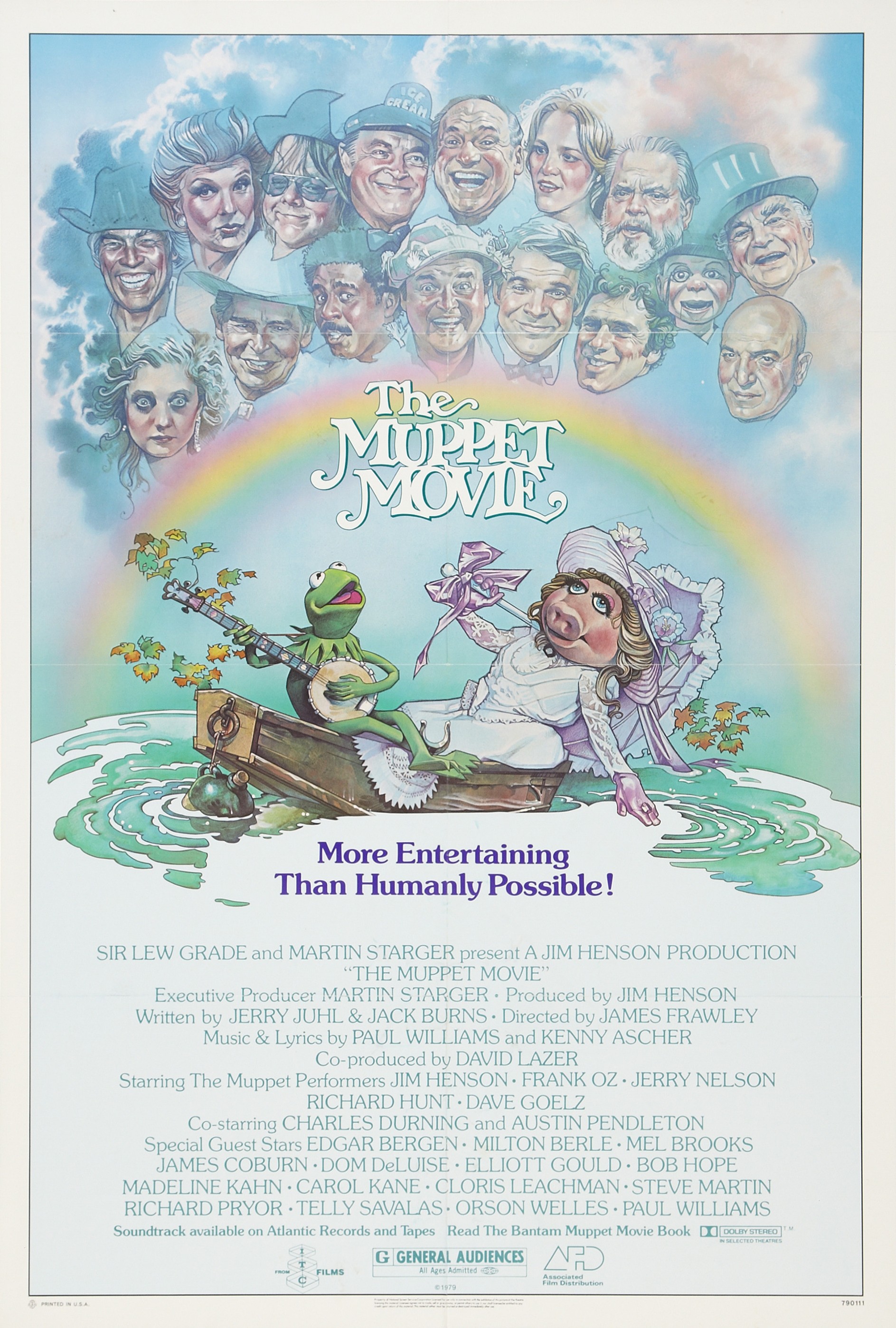
Kermit and his newfound friends trek across America to find success in Hollywood, but a frog legs merchant is after Kermit.
- 1974 |
Blazing Saddles
asGovernor Lepetomane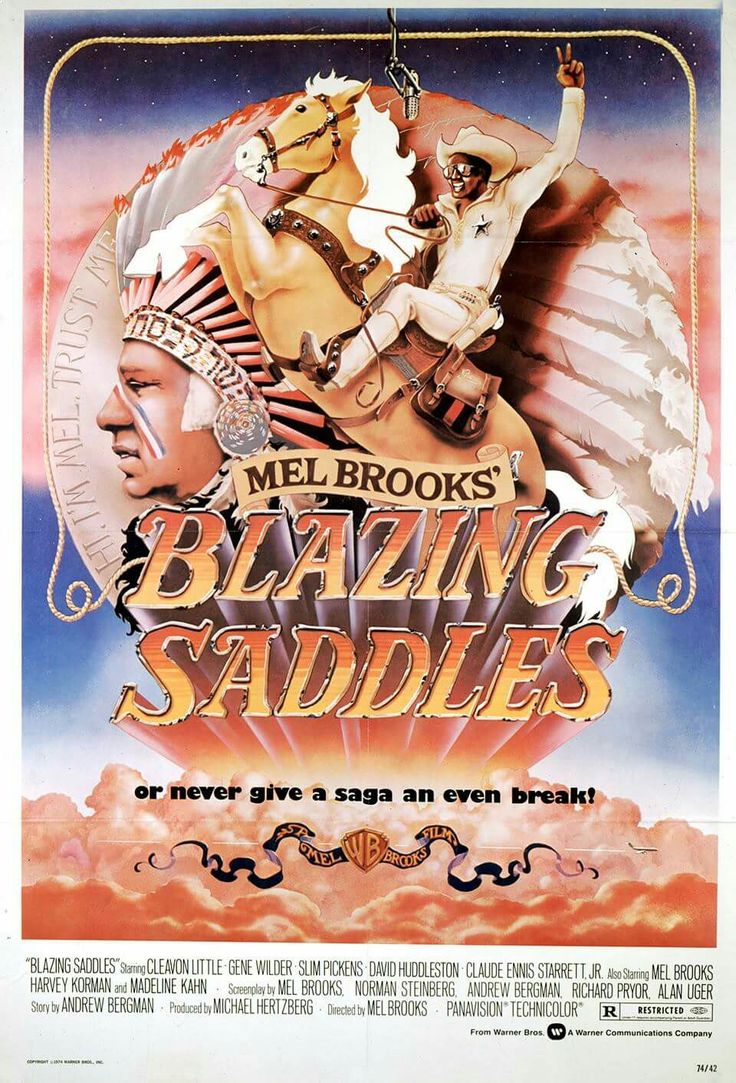
In order to ruin a western town and steal their land, a corrupt politician appoints a black sheriff, who promptly becomes his most formidable adversary.
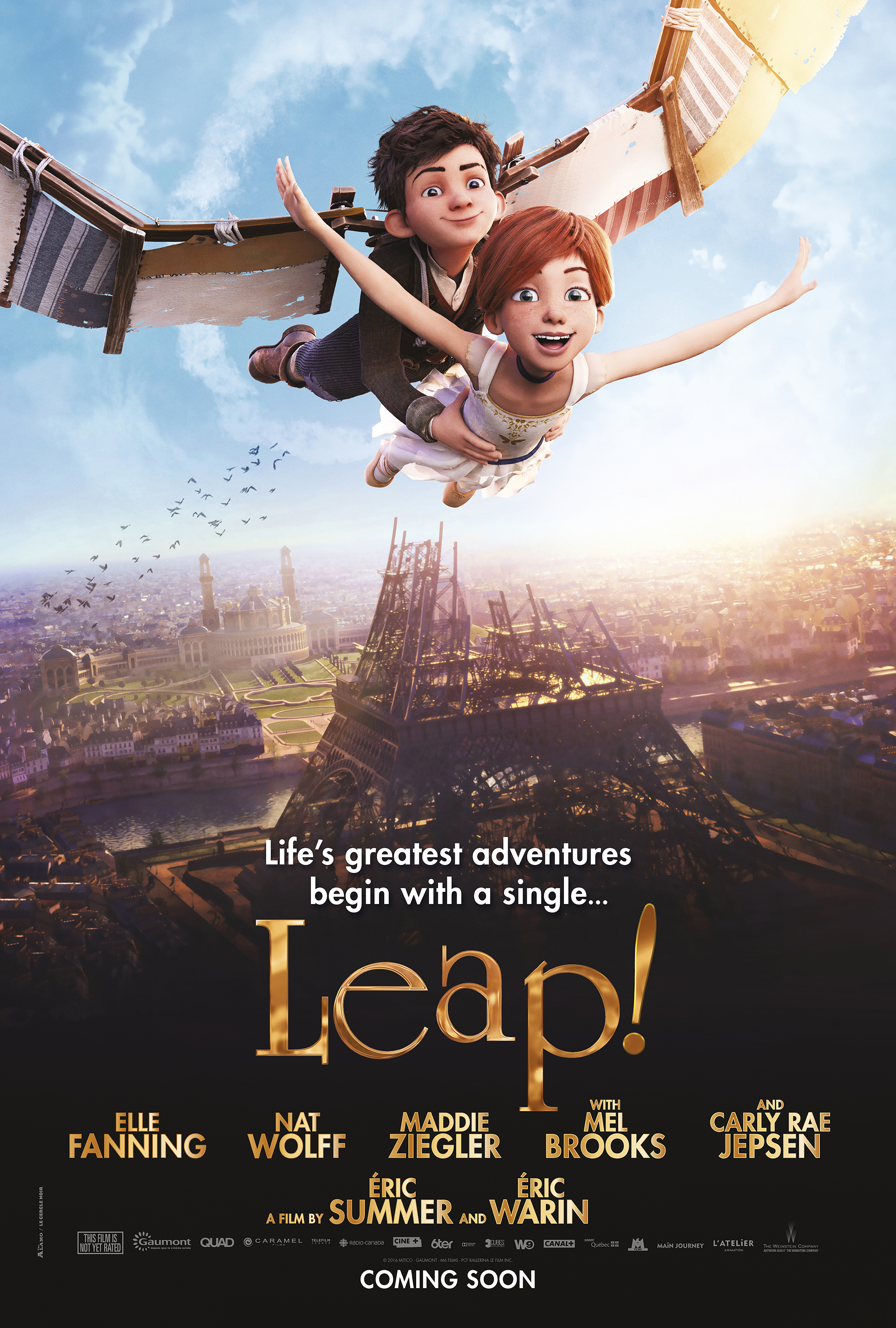
- -- | as Luteau
Director
Previous (2)
- 2002 |
The Producers
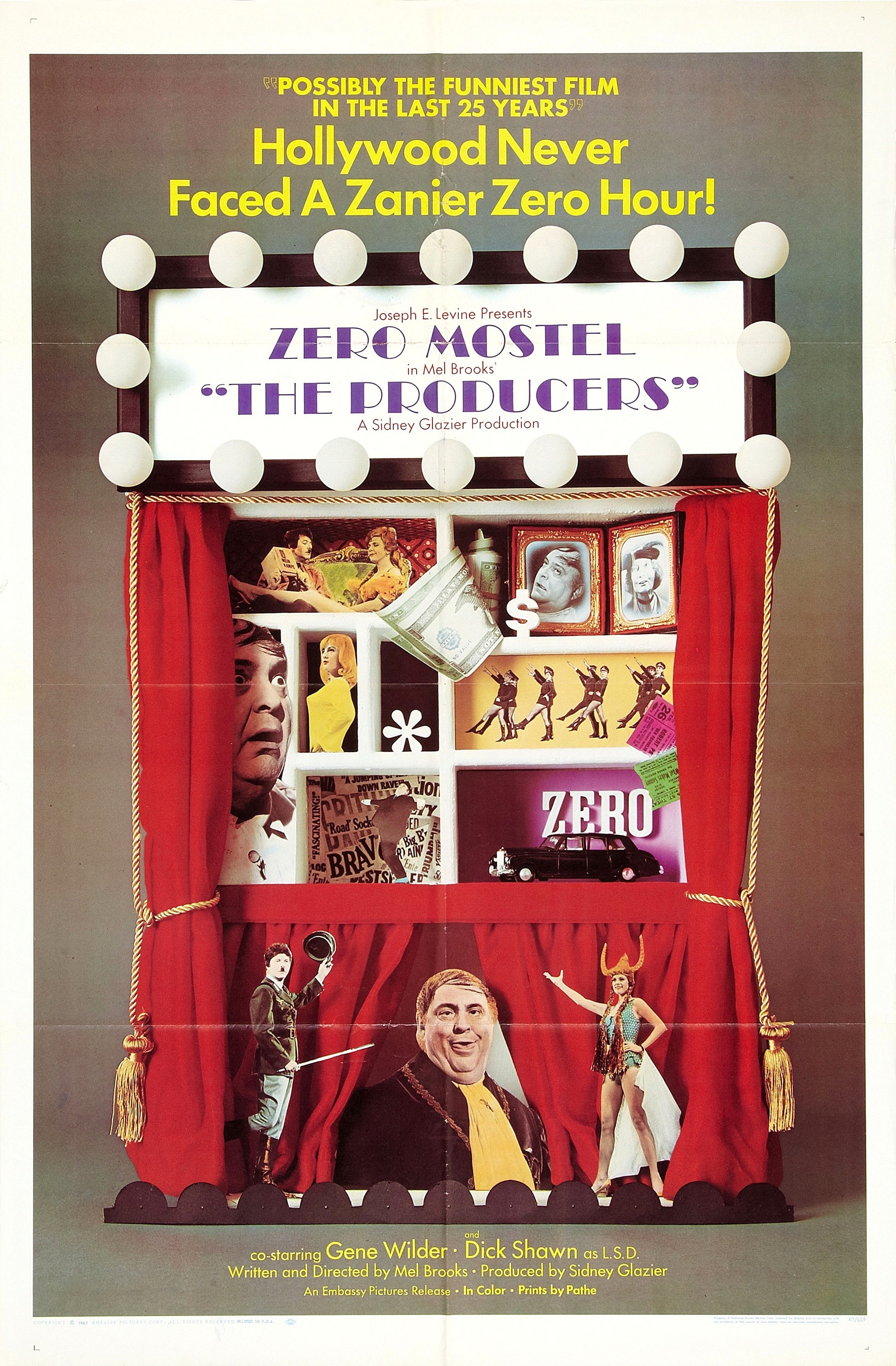
A stage-play producer devises a plan to make money by producing a sure-fire flop.
- 1974 |
Blazing Saddles
In order to ruin a western town and steal their land, a corrupt politician appoints a black sheriff, who promptly becomes his most formidable adversary.
Self
Previous (1)
- 2024 |
Remembering Gene Wilder
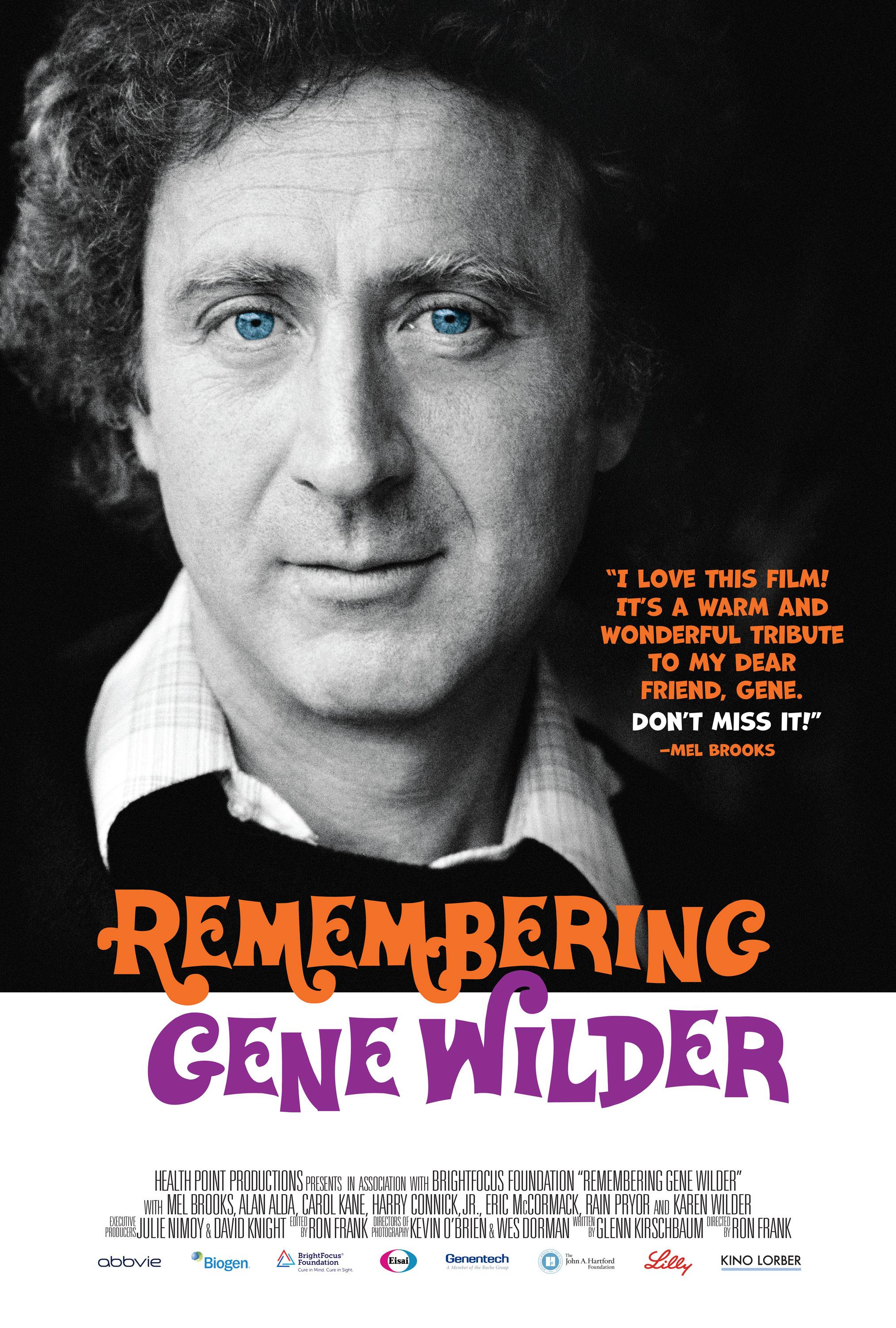
A special tribute documentary honoring Gene Wilder's life and career.
Writer
Previous (2)
- 2022 |
Paws of Fury: The Legend of Hank
Paws of Fury: The Legend of Hank
Hank, a loveable dog with a head full of dreams about becoming a samurai, sets off in search of his destiny.
- 1974 |
Blazing Saddles
In order to ruin a western town and steal their land, a corrupt politician appoints a black sheriff, who promptly becomes his most formidable adversary.
Facts About Mel Brooks
People Also Searched For