
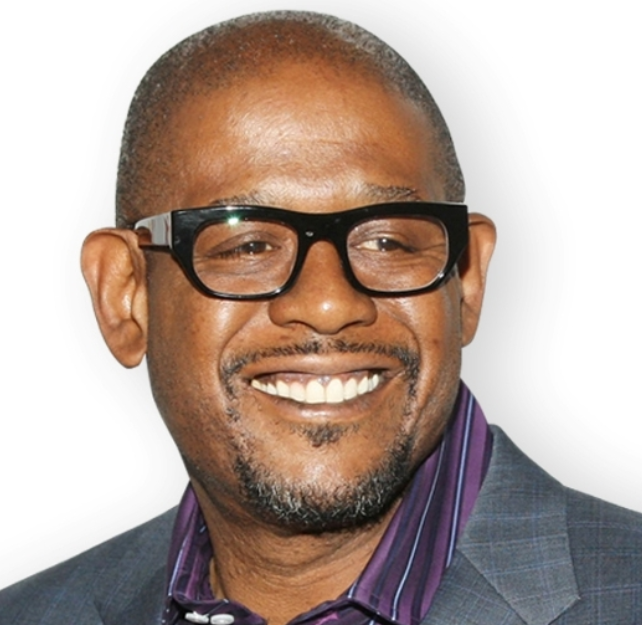
Forest Whitaker
Birthdate: July 15, 1961 (65 Years Old)
Birthplace: Longview, Texas, USA
Long regarded as one of the most important actors of his generation and a trailblazing artist for Black actors and filmmakers in the U.S. film industry, Forest Whitaker (birthname: Forest Steven Whitaker) has earned fairly unprecedented acclaim and awards in three disciplines: Acting, producing (with a remarkable track record of producing talented filmmakers in their debut projects) and as a global activist and scholar for peace and reconciliation studies.
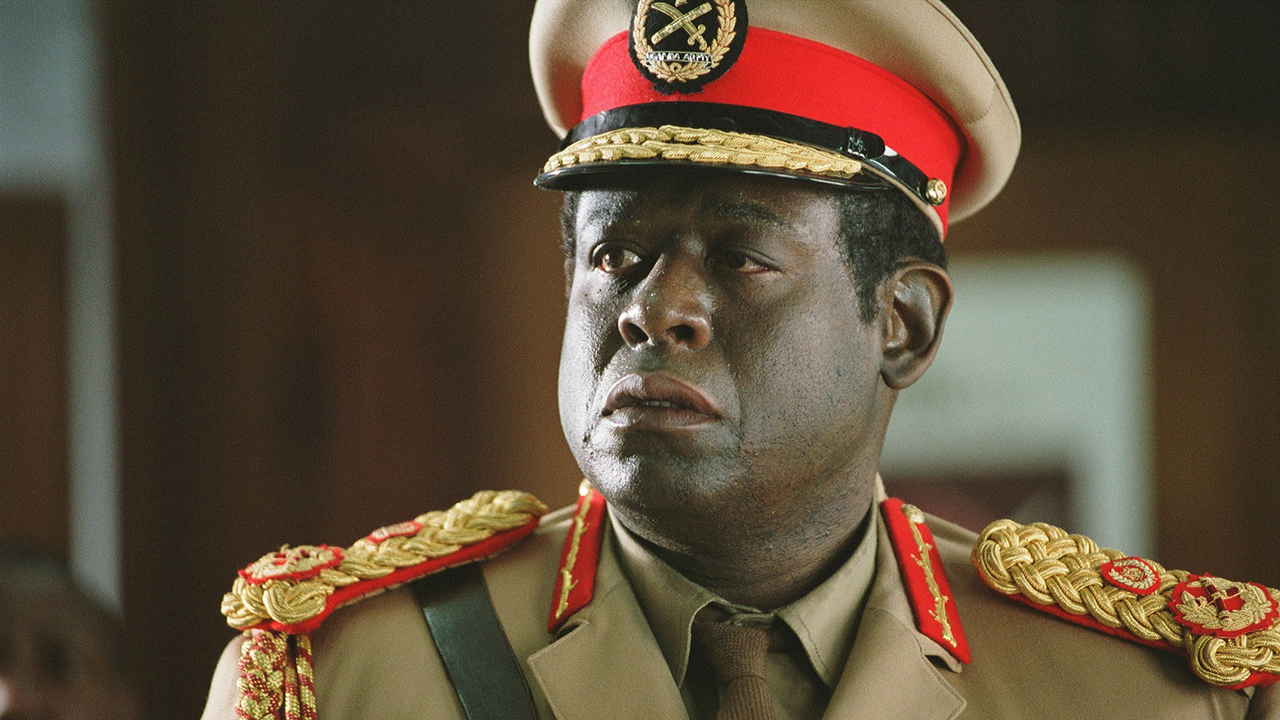
Known for his incongruous blend of tremendous physicality and a calm, tempered, and even sweet nature that comes through in even his most evil bad-guy roles (including his Idi Amin, for which he won the Best Actor Oscar for The Last King of Scotland), Whitaker can certainly be termed one of the richest, most complex actors in cinema. The breadth of his work across a range of genres and styles, as well as his work behind the camera, places him in rarified air, indicated by the Honorary Palme d’Or he received from the Cannes Film Festival in 2022.
Forest Whitaker’s upbringing, mostly in the Los Angeles suburb of Carson, was buttressed by a mother (Laura) who earned two Master’s degrees while raising him and his siblings, as well as his father, also named Forest. Indicative of his “gentle giant” nature, Whitaker’s top passions in school were football and choir, which then transferred to acting as he studied at Cal Poly Pomona and USC. Shortly after graduation, Whitaker landed a role in Amy Heckerling’s Fast Times at Ridgemont High (1982), a movie that proved a professional gateway for several stars, including Sean Penn, Jennifer Jason Leigh, Judge Reinhold, and Phoebe Cates.
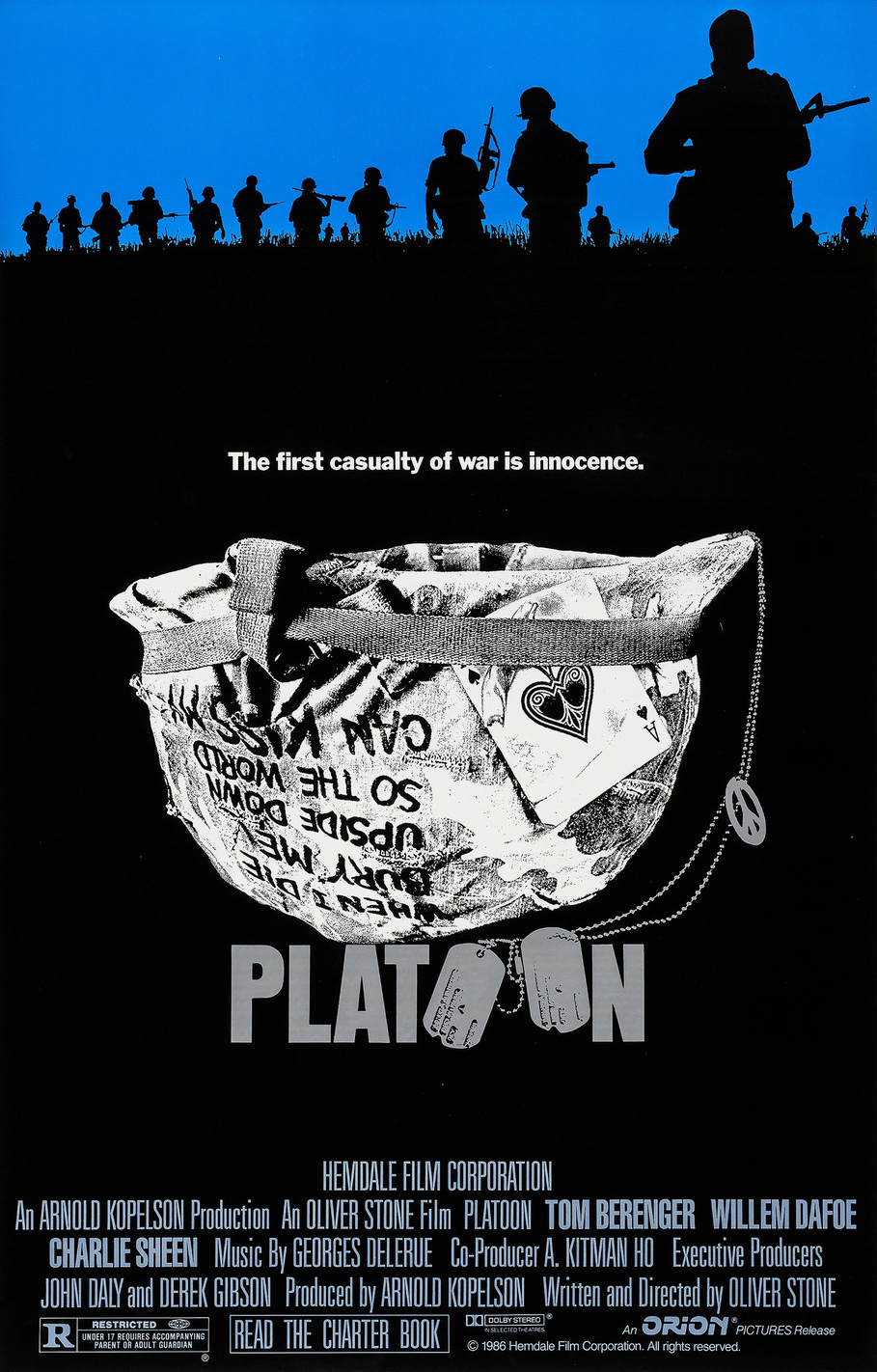
His breakthrough part was as a shy pool player in Martin Scorsese’s The Color of Money (1986) with Paul Newman and Tom Cruise. Whitaker’s trajectory after this was astonishing: He was a key part of the ensemble of Oliver Stone’s Platoon (1986) and Good Morning, Vietnam (1987) with Robin Williams, leading to his astonishing debut as a star as jazz master Charlie Parker in Clint Eastwood’s Bird (1988), for which Whitaker won a Best Actor Palme at the Cannes Film Festival.
Forest Whitaker became a major force in American movies in the 1990s, with powerhouse roles in Bill Duke’s rollicking A Rage in Harlem (1991), Neil Jordan’s The Crying Game (19920 with Stephen Rea, Robert Altman’s wild ensemble satire, Ready to Wear (1994), as well as high-profile Hollywood projects like Roger Donaldson’s sci-fi thriller, Species (1995), with Ben Kingsley and box-office hit Phenomenon (1996) with John Travolta, Kyra Sedgwick, and Robert Duvall.
One of Whitaker’s most indelible roles came under Jim Jarmusch’s direction in Ghost Dog: The Way of the Samurai (1999), in which he plays a Mafia hitman spiritually guided by ancient Japanese traditions. Whitaker joined Colin Farrell and director Joel Schumacher for the successful thriller, Phone Booth (2002), and then Jodie Foster and director David Fincher for another hit thriller, Panic Room (2002).
After a four-year absence from the big screen, Forest Whitaker returned with a bang in The Last King of Scotland (2006), for which his chilling portrayal of bloody dictator Idi Amin scored him a load of major awards (including the Best Actor Oscar and a rare Best Actor trifecta from the top three U.S. critics groups in Los Angeles, New York, and National Society of Film Critics.
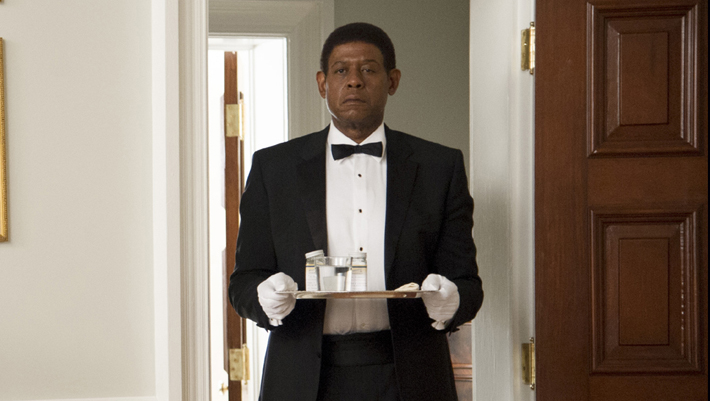
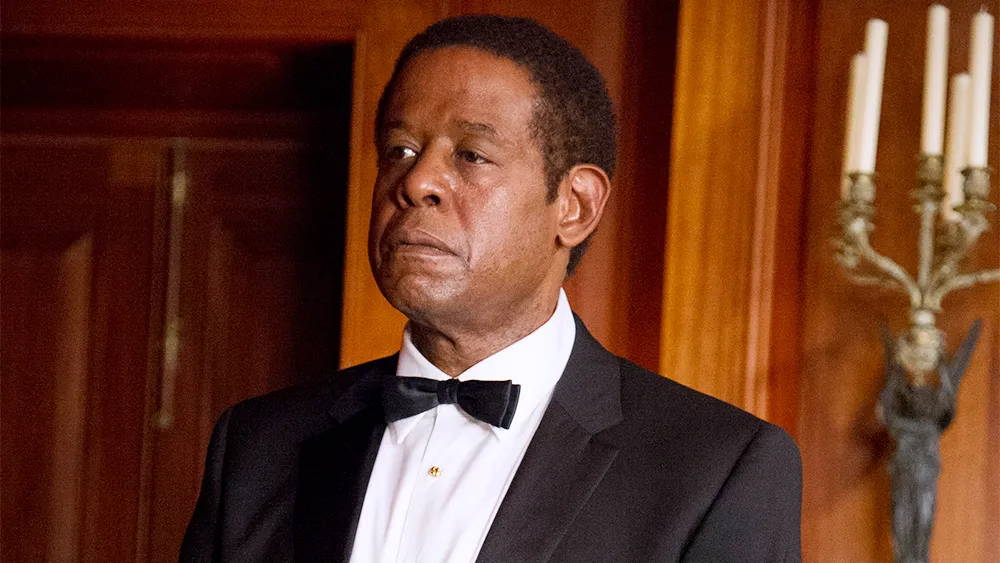
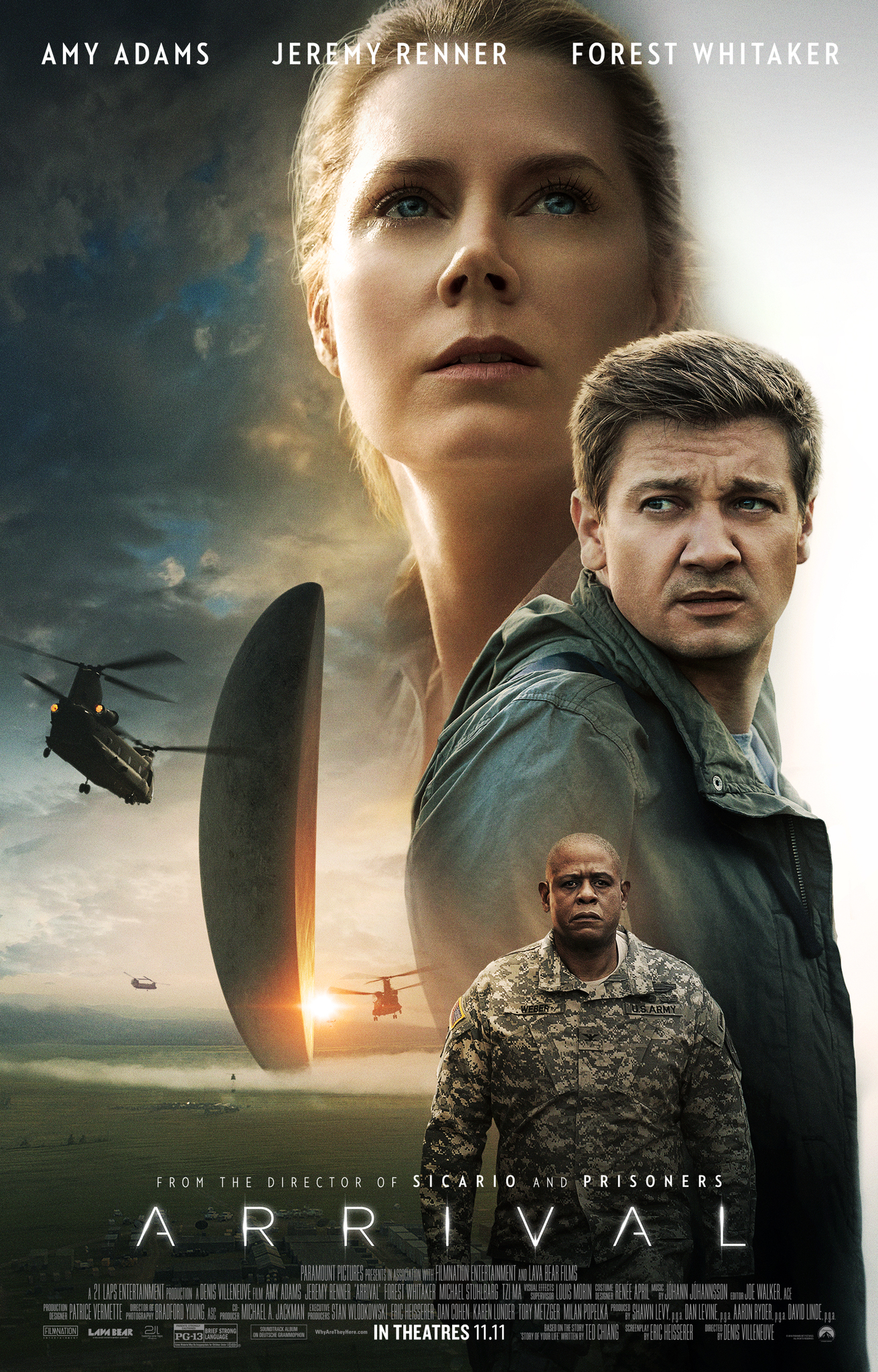
Whitaker joined Denzel Washington for the solid civil rights drama, The Great Debaters (2007), and Keanu Reeves and Common for the urban thriller, Street Kings (2008). Whitaker’s box office hits over the past 15 years include the political thriller, Vantage Point (2008); Lee Daniels’ The Butler (2013), with an all-star cast including Oprah Winfrey, Mariah Carey, John Cusack, Jane Fonda, Cuba Gooding, Jr., Terrence Howard, David Oyelowo, Vanessa Redgrave, Liev Schreiber, and Robin Williams; Denis Villeneuve’s superb sci-fi drama, Arrival (2016), with Amy Adams and Jeremy Renner.
Whitaker capped this fine commercial run with two huge, $1 billion-dollar blockbusters—first, Rogue One: A Star Wars Story (2016), followed by Ryan Coogler’s Marvel mega-smash, Black Panther (2018), which scored a worldwide box office of nearly $1.35 billion. Forest Whitaker has directed four features to date, including the HBO crime drama, Strapped (1993) with Bokeem Woodbine; Waiting to Exhale (1995, based on Terry McMillan’s best-seller) with Whitney Houston, Angela Bassett, and Dennis Haysbert; the Sandra Bullock-Harry Connick, Jr. hit rom-com Hope Floats (1998); and another rom-com, First Daughter (2004), with Katie Holmes and Michael Keaton.
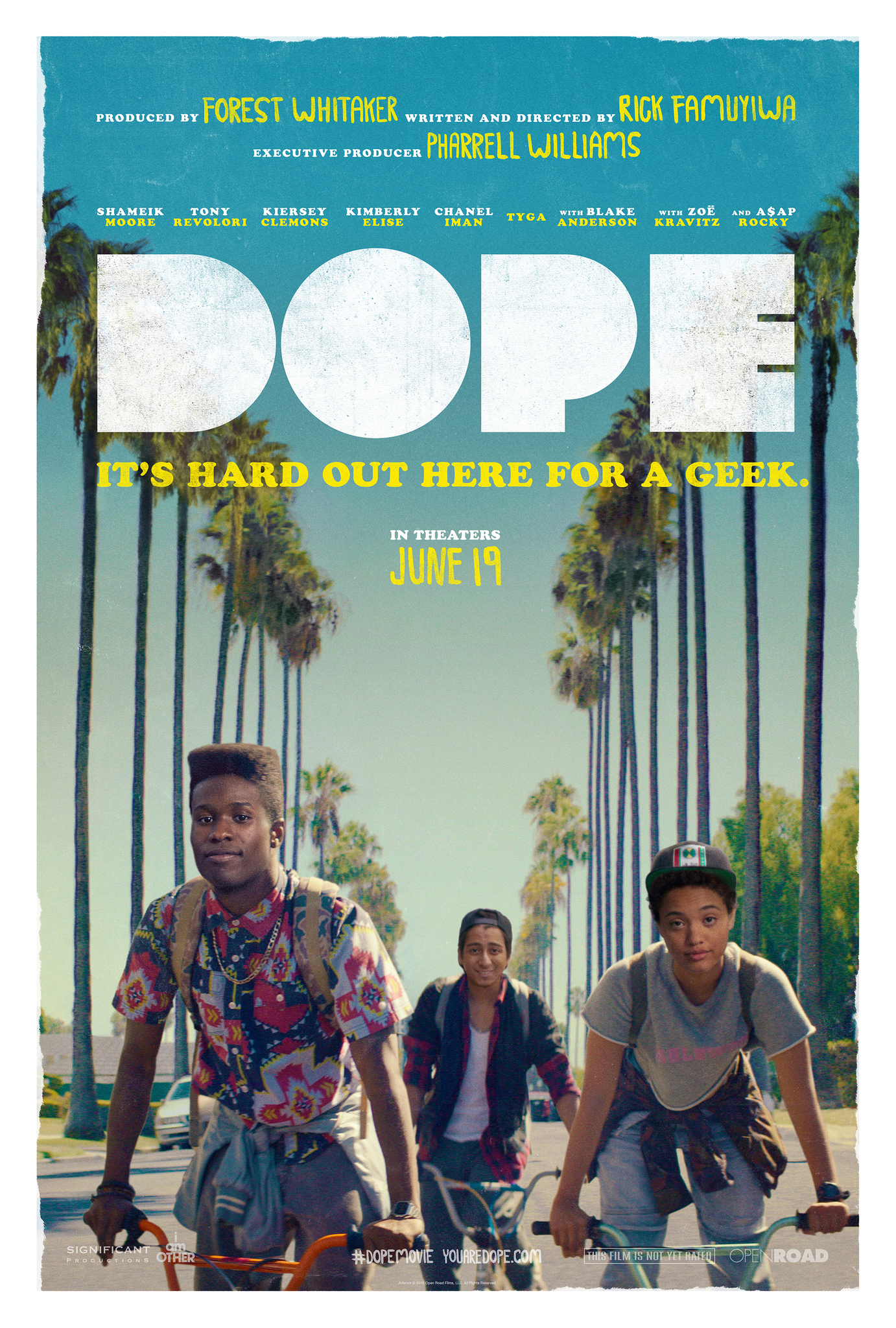
Whitaker has had an even greater impact as a producer of both made-for-television features and theatrical features, including the debut films of two of the more successful indie-to-Hollywood directors of recent years: Ryan Coogler and the Sundance Grand Prize-winning Fruitvale Station (2013), and Best Director Oscar-winner Chloe Zhao and Songs My Brother Taught Me (2015). Whitaker has produced several other notable debuts, including Boots Riley’s brilliantly imaginative Sorry to Bother You (2018), with Lakeith Stanfield, Tessa Thompson, and Steven Yeun; Rick Famuyiwa’s comedy-drama Dope (2015); and Rebecca Hall’s critically acclaimed Passing (2021) with Ruth Negga, Thompson, and Alexander Skarsgard.
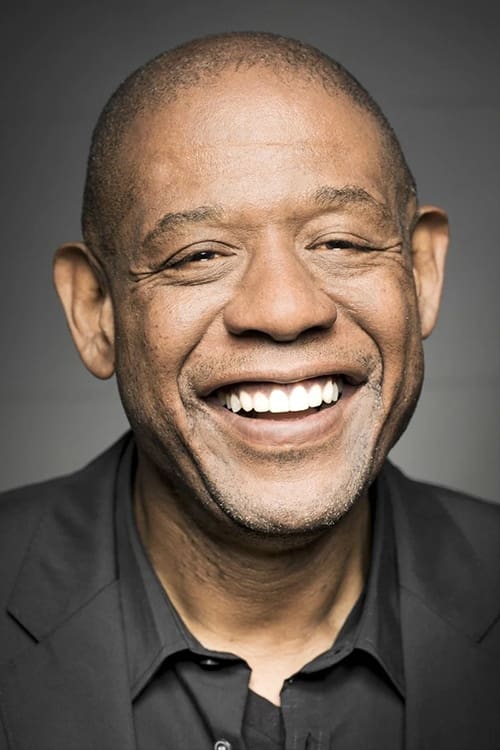
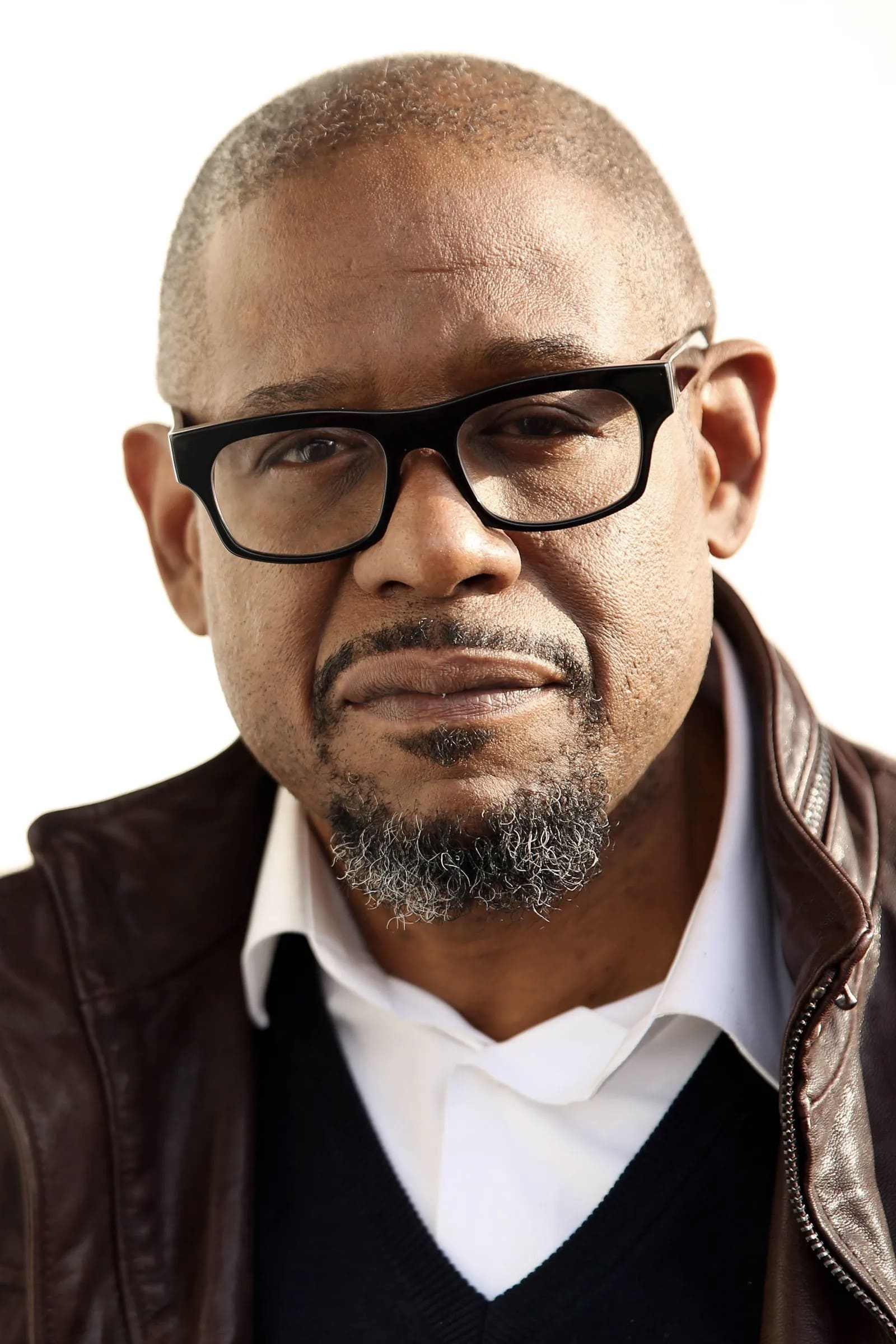
Forest Whitaker Photos and Videos

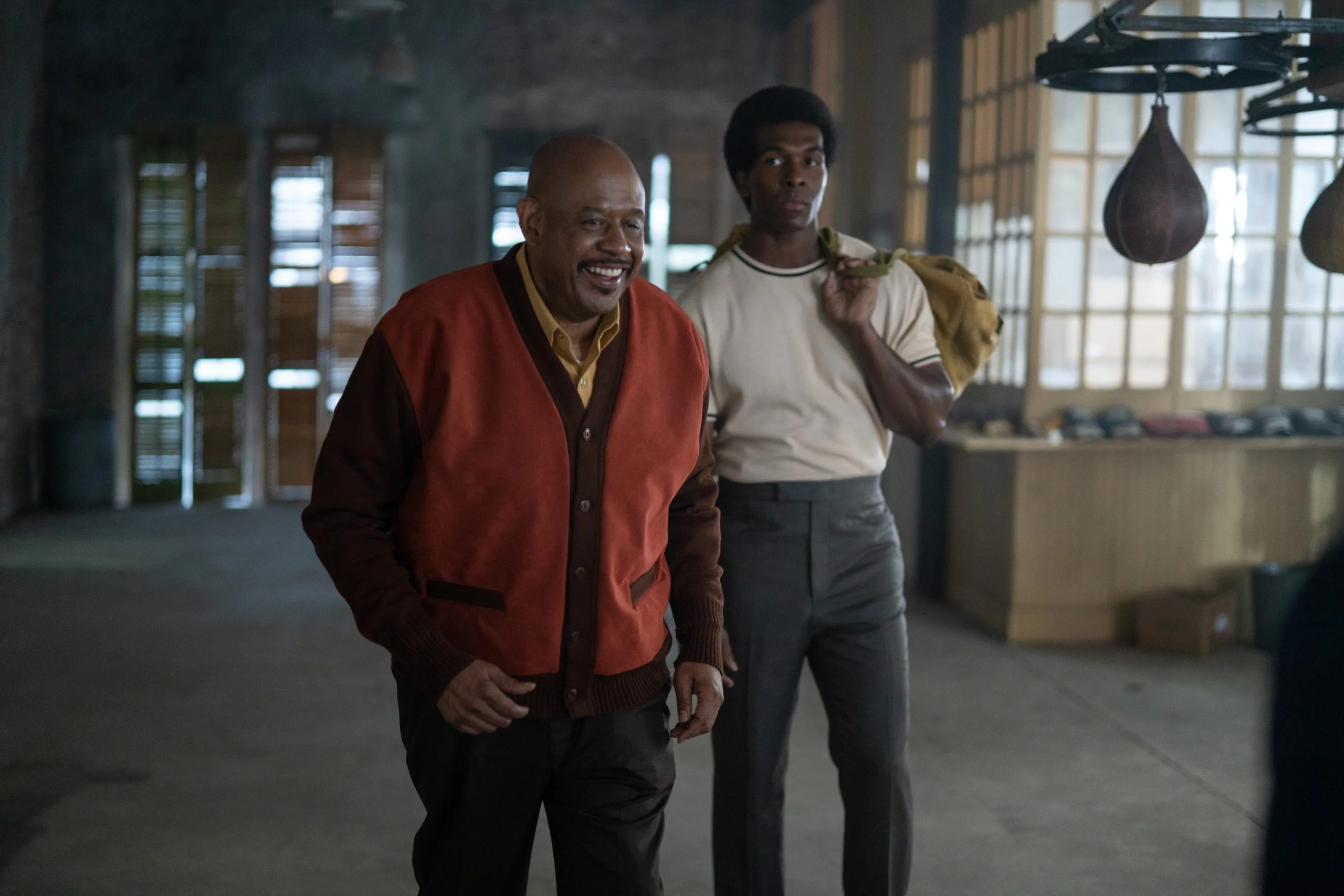
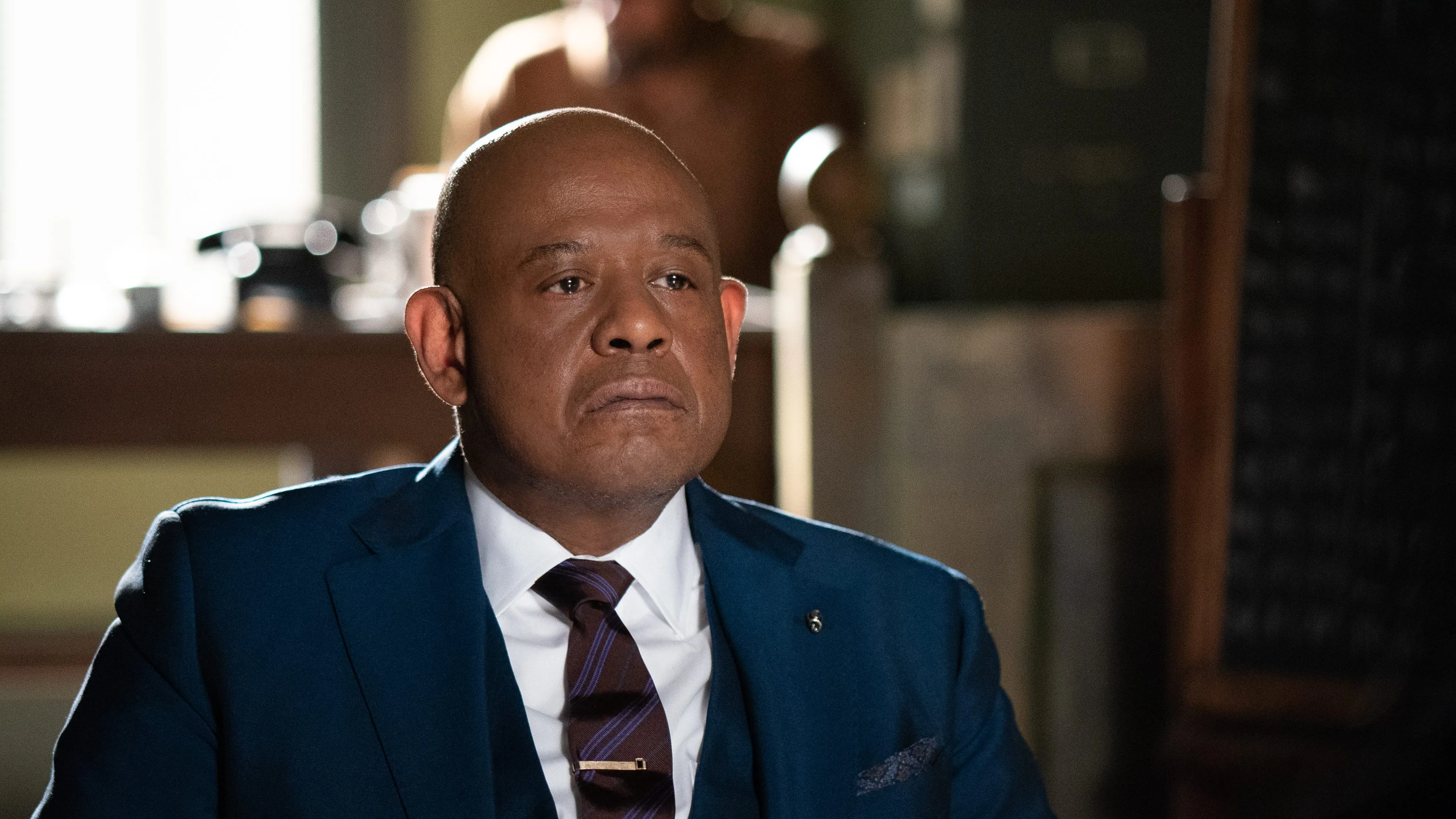
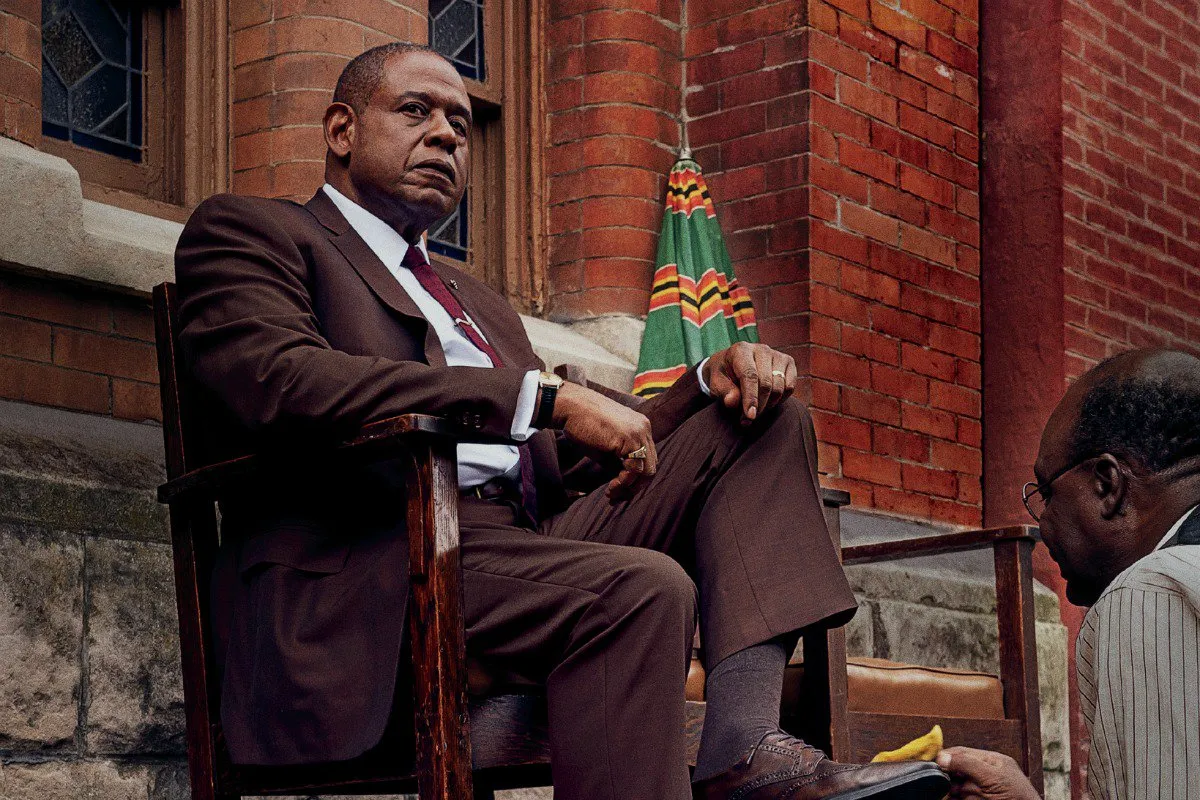
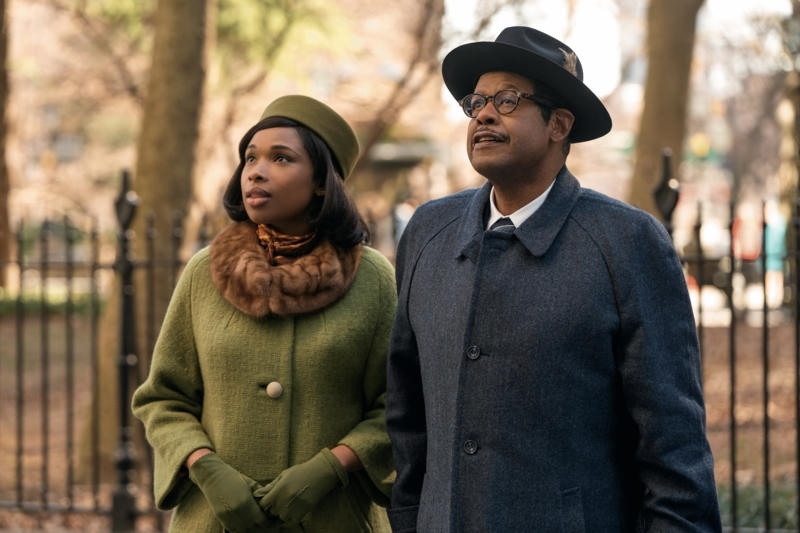


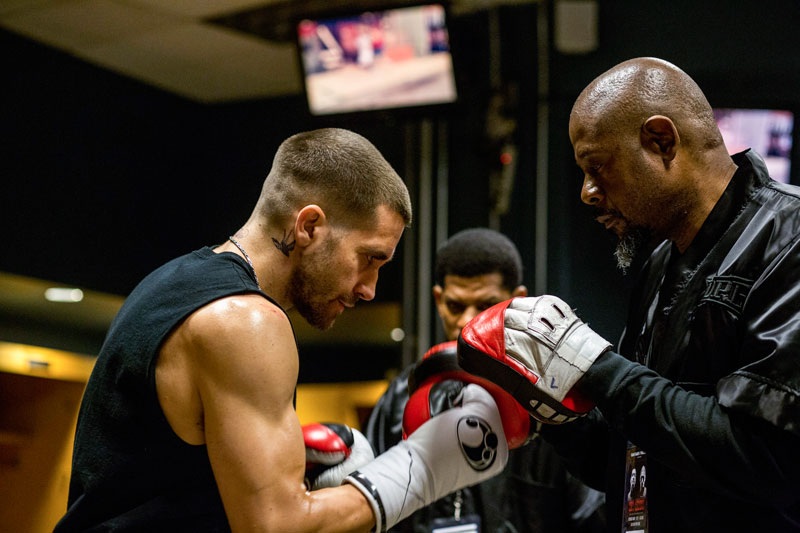
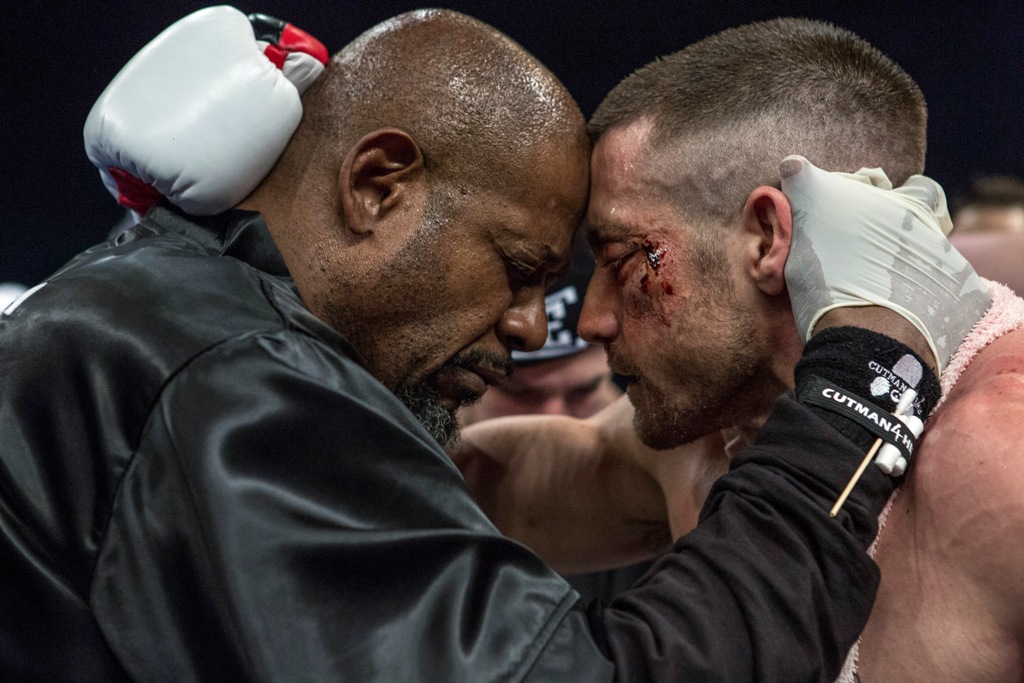
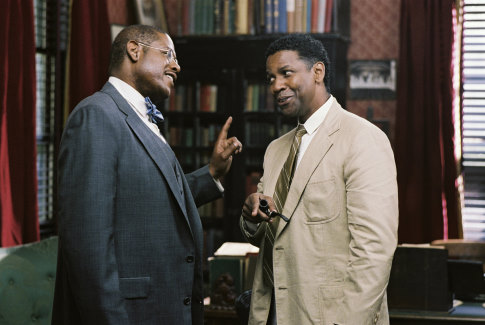
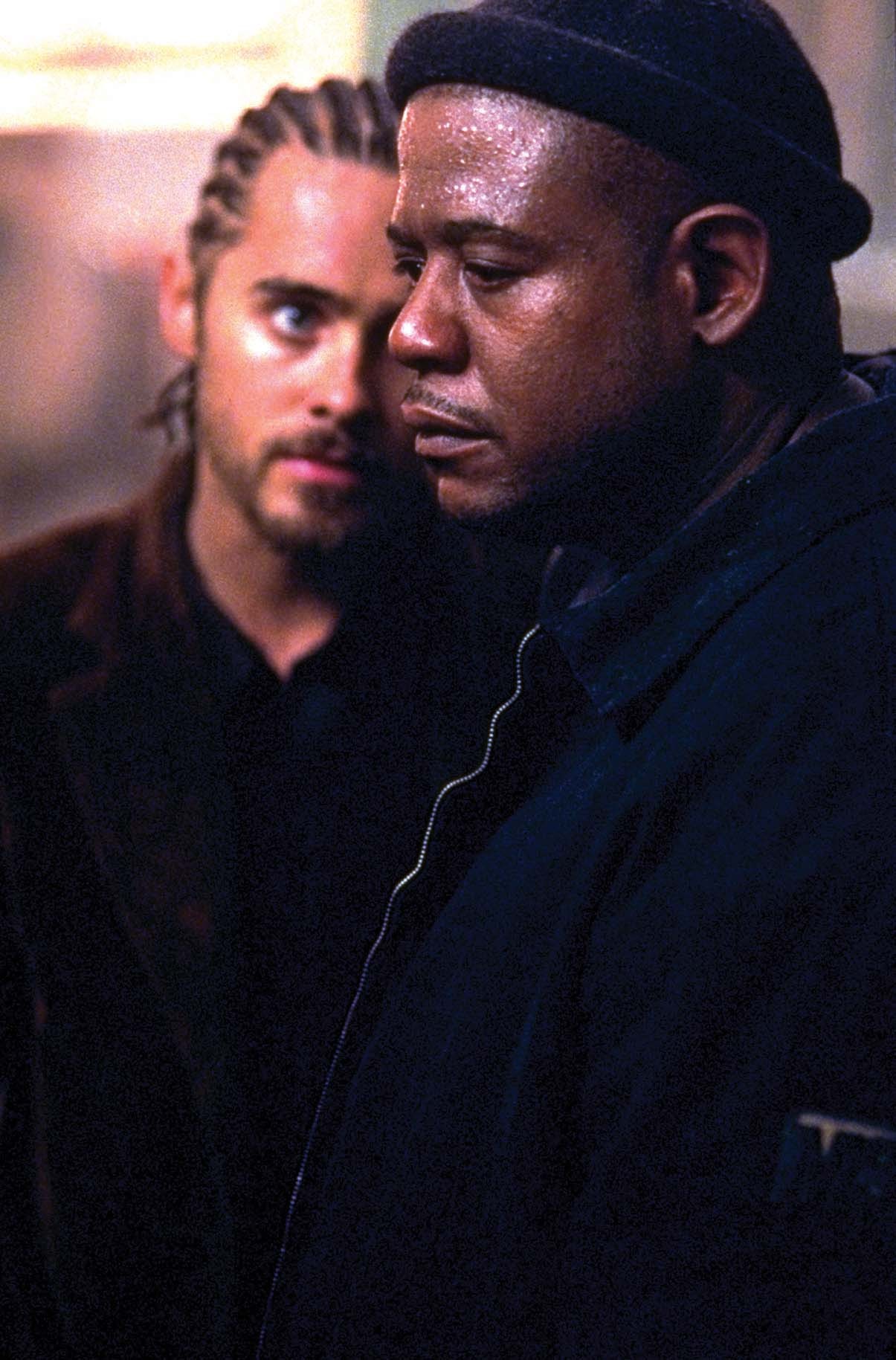
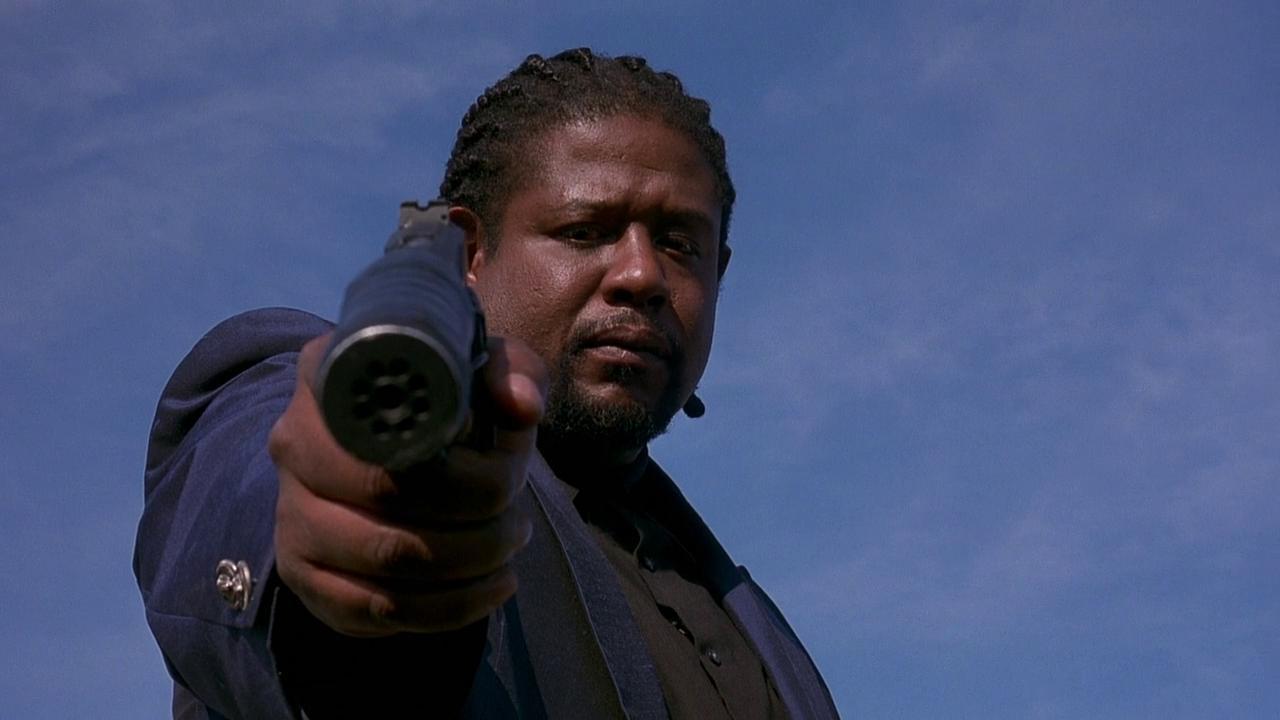
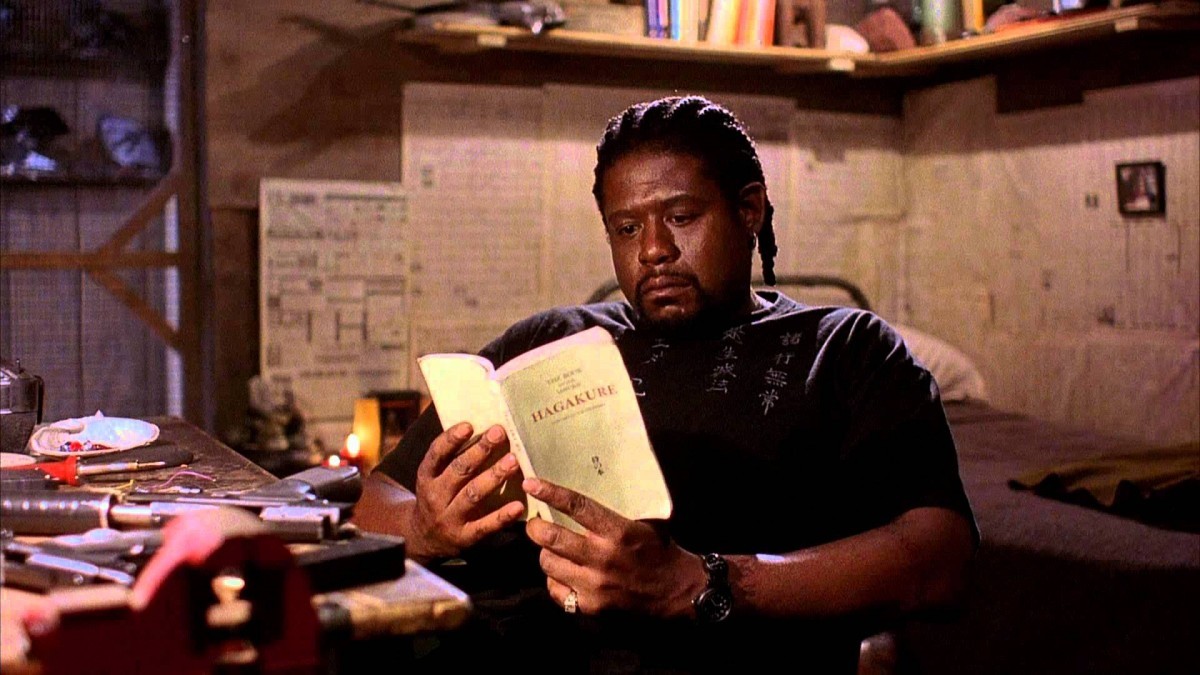
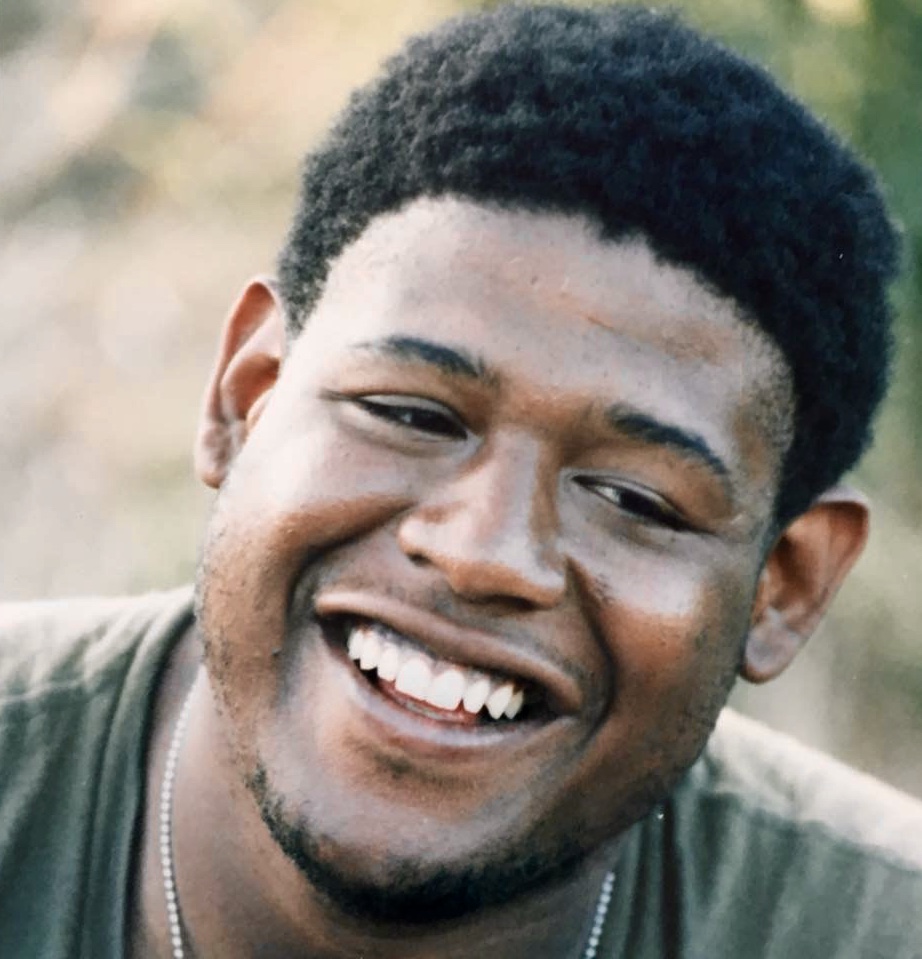


Personal life
Known For
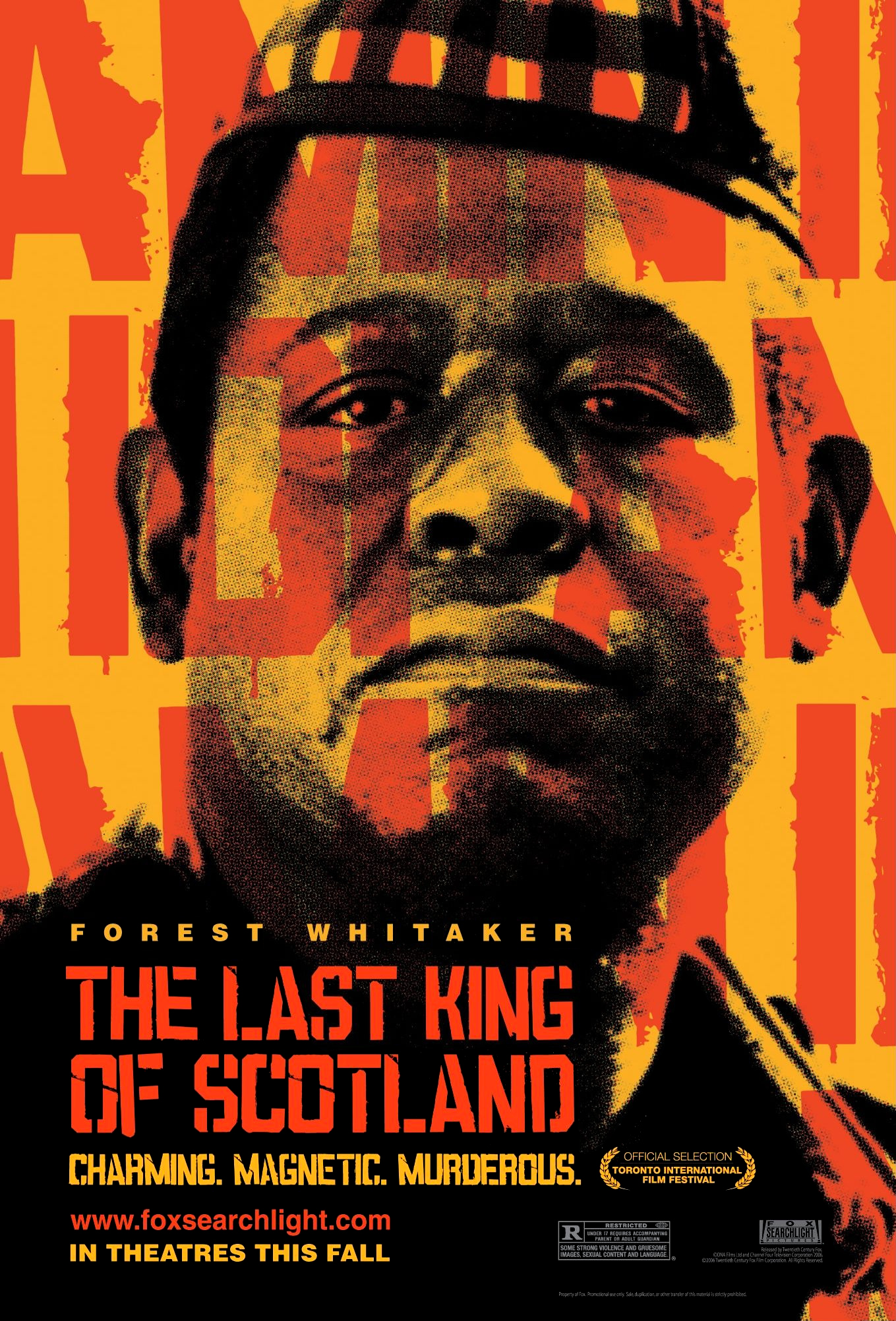
The Last King of Scotland
Idi Amin (2006)
Forest Whitaker Movies
Actor
Previous (24)
- 2025 |
The King of Kings
asPeter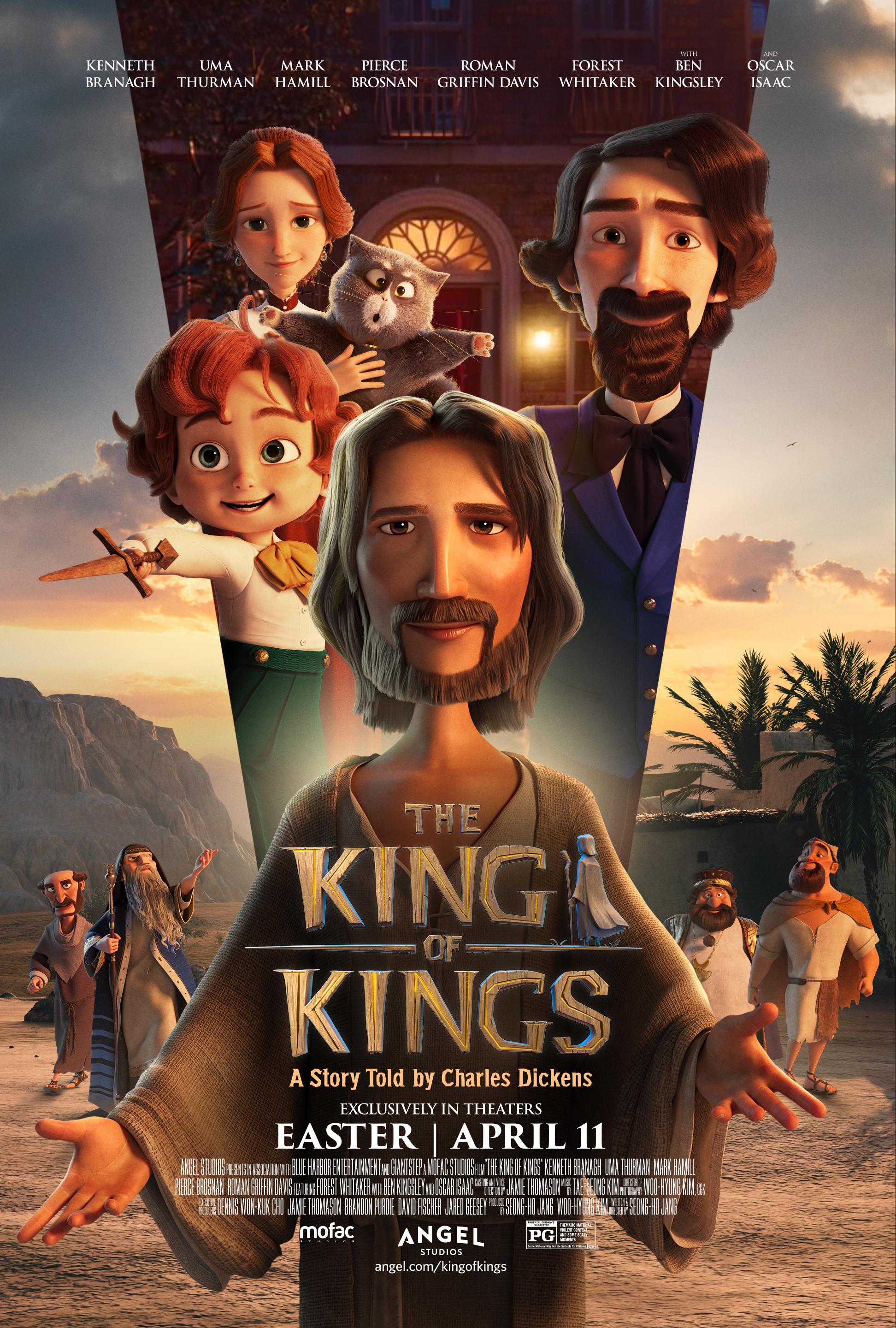
Through a father's vivid storytelling, a boy journeys through Jesus' life, from humble beginnings to ultimate sacrifice. Along the way, he discovers the transformative power of faith.
- 2024 |
- 2023 |
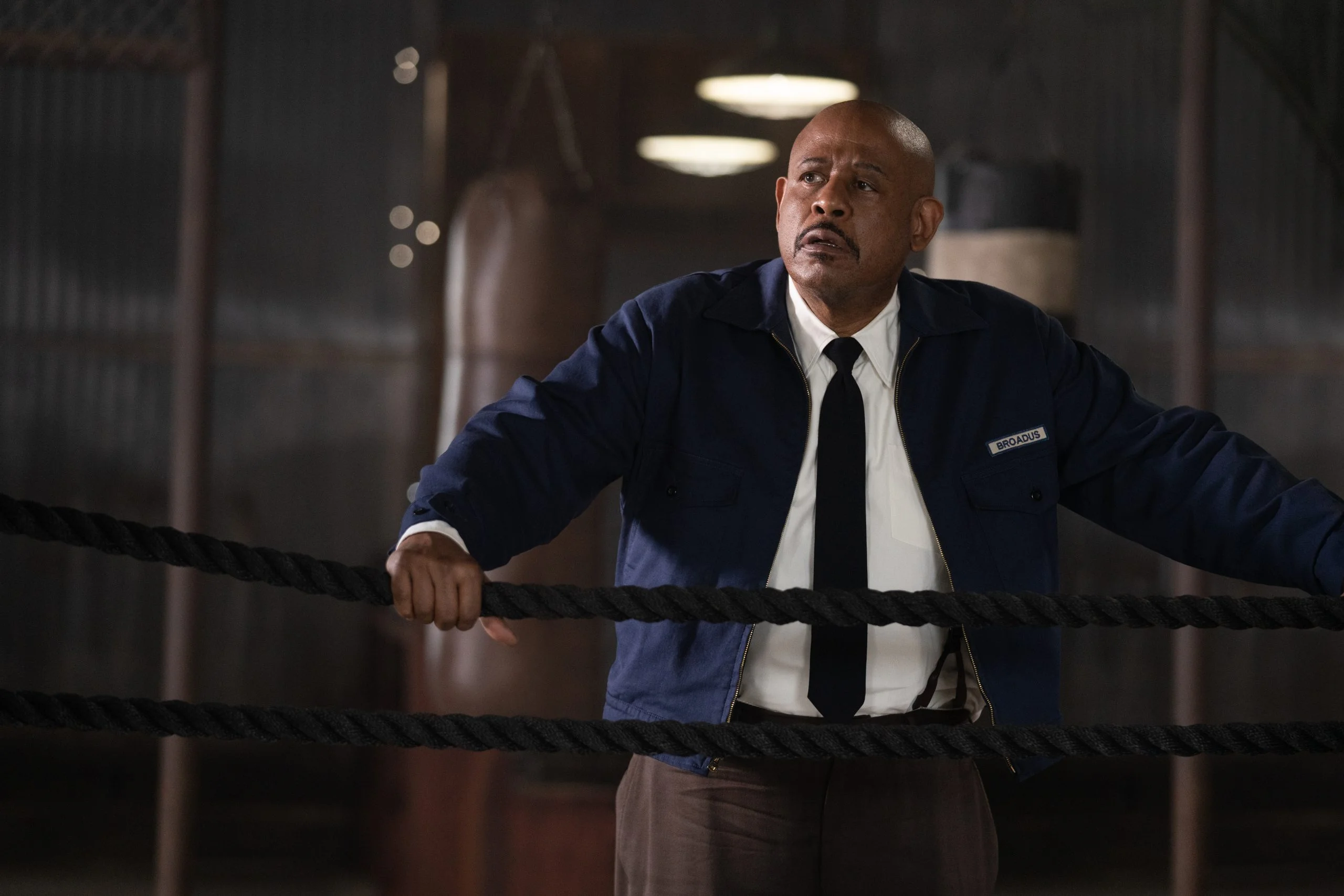
Big George Foreman
asDoc Broadus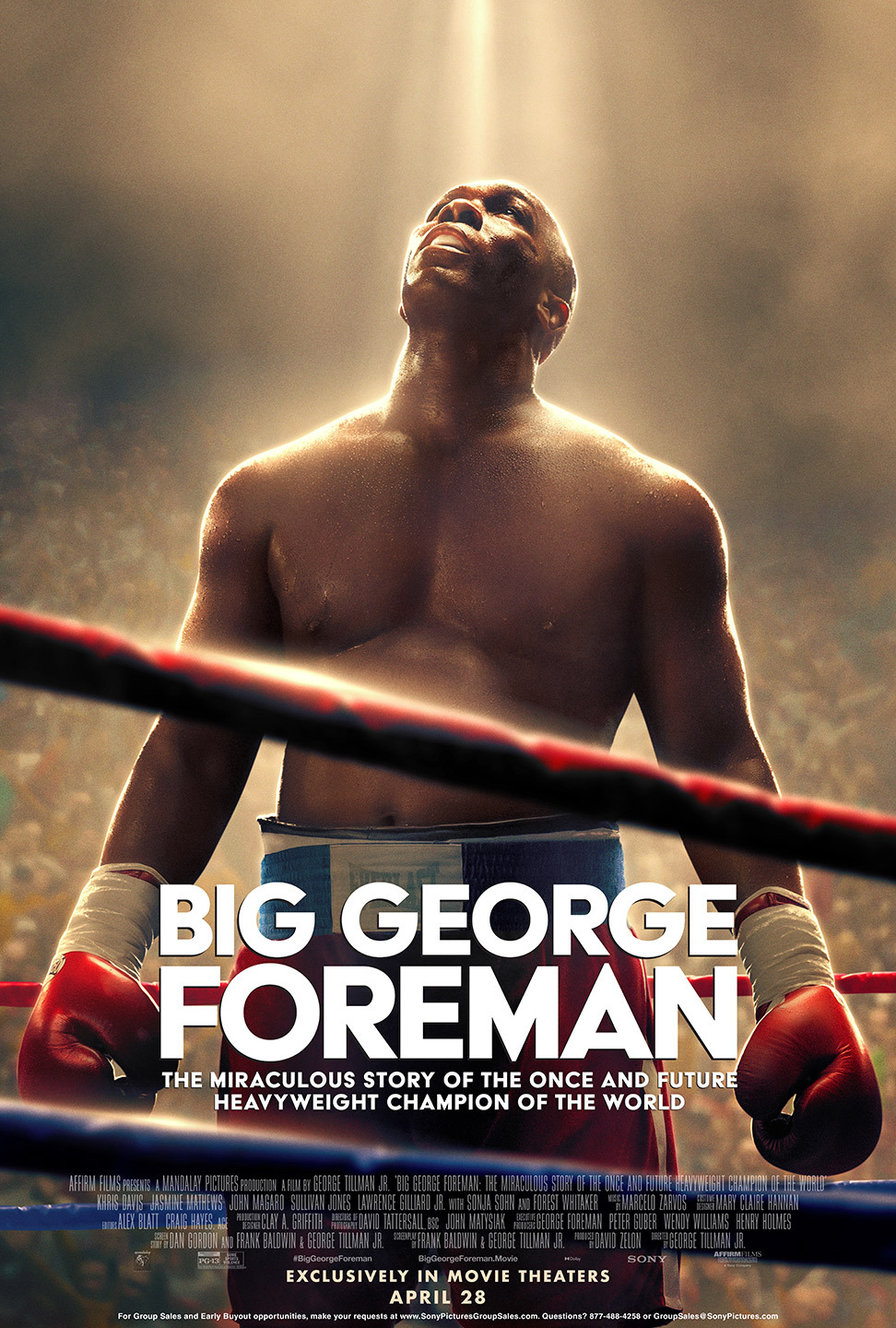
Fueled by an impoverished childhood, George Foreman channeled his anger into becoming an Olympic Gold medalist and World Heavyweight Champion, followed by a near-death experience that took him from the boxing ring to the pulpit.
- 2022 |
The Forgiven
asDesmond Tutu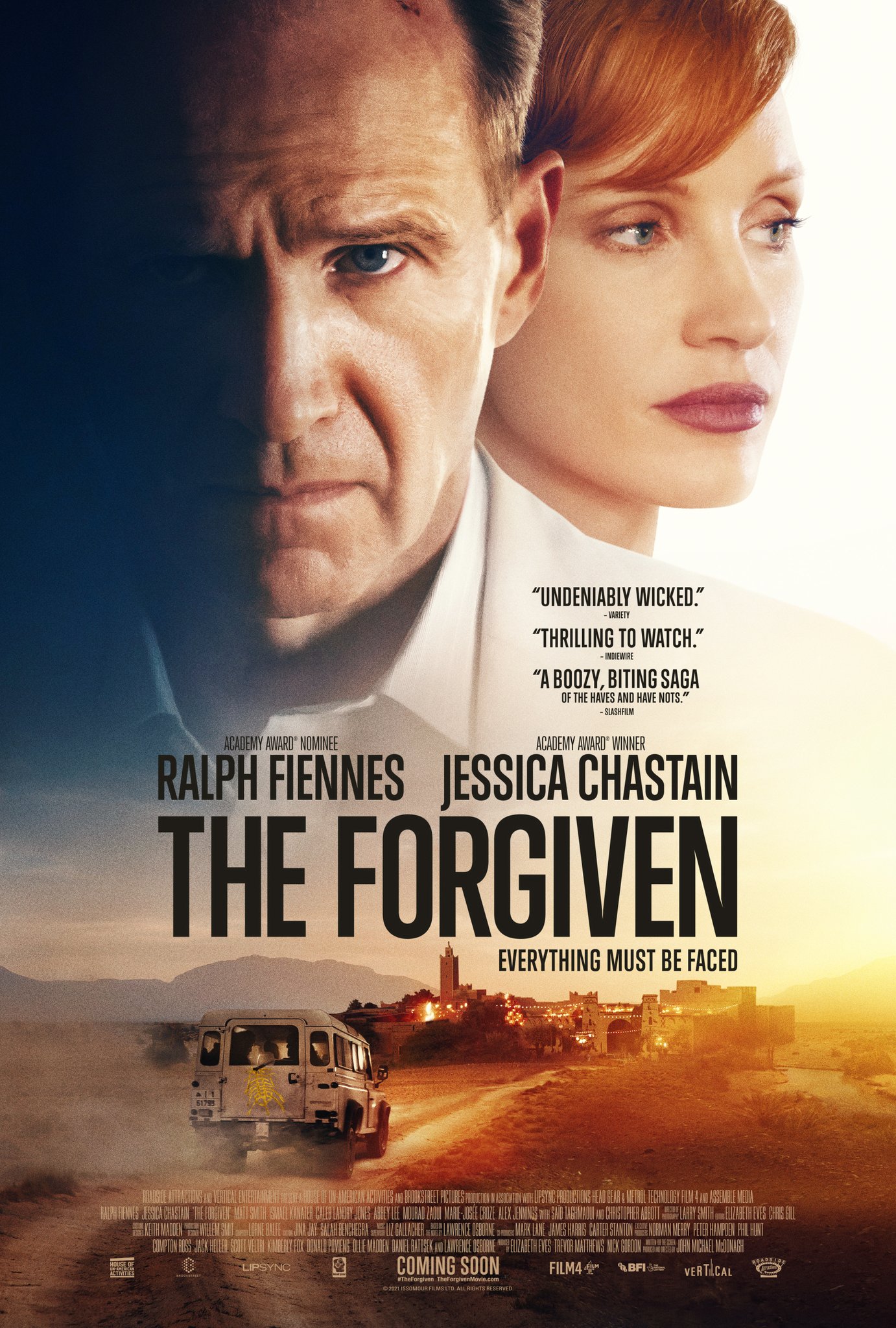
A fatal accident disrupts the lives of Western visitors to a lavish party in the High Atlas Mountains of Morocco, and will ultimately lead to a reckoning in the desert.
- 2021 |
- 2021 |
City of Lies
asJack Jackson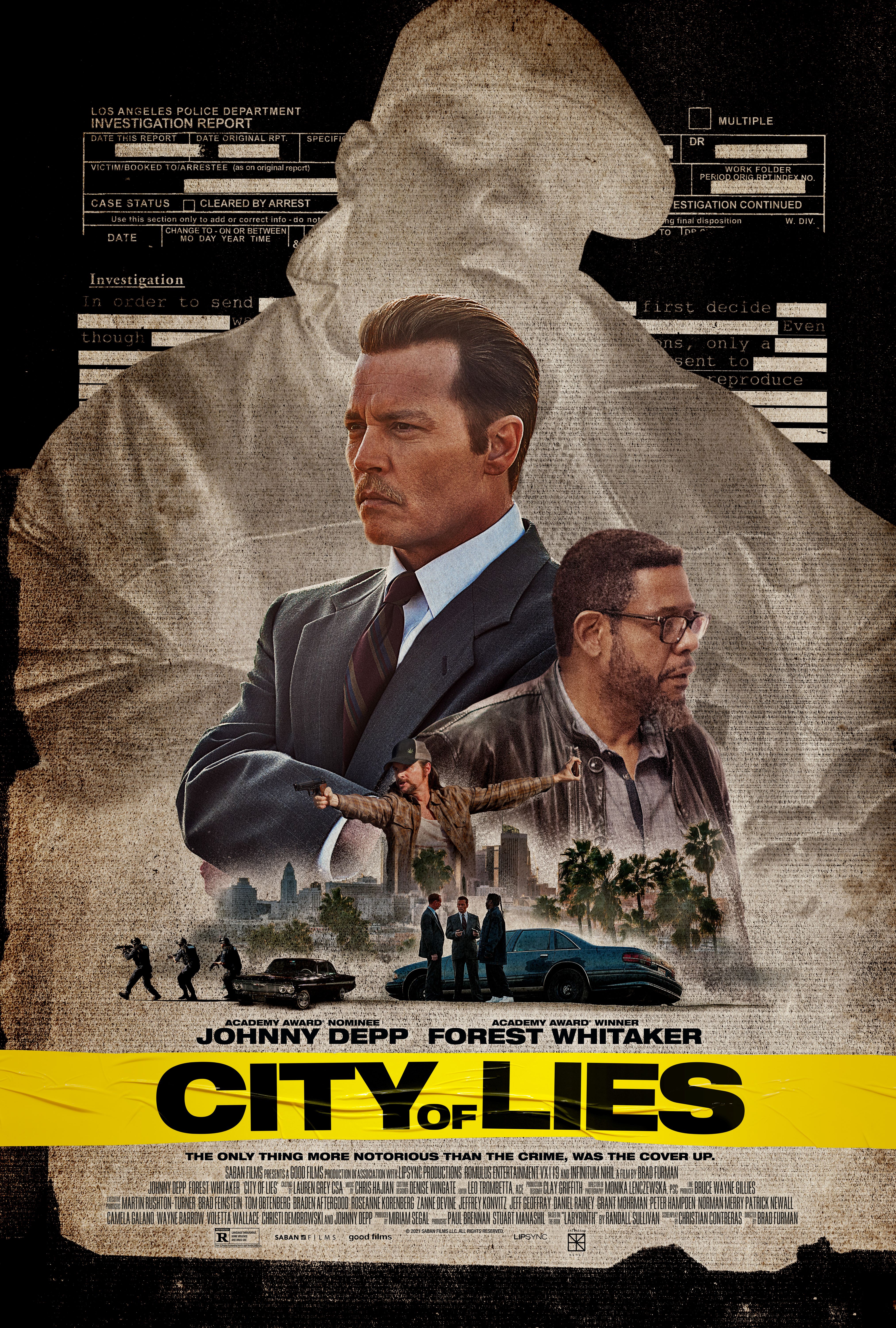
Russell Poole and Jack Jackson investigate the murder of rapper Notorious B.I.G.
- 2020 |
- 2018 |
Sorry to Bother You
asFirst Equisapien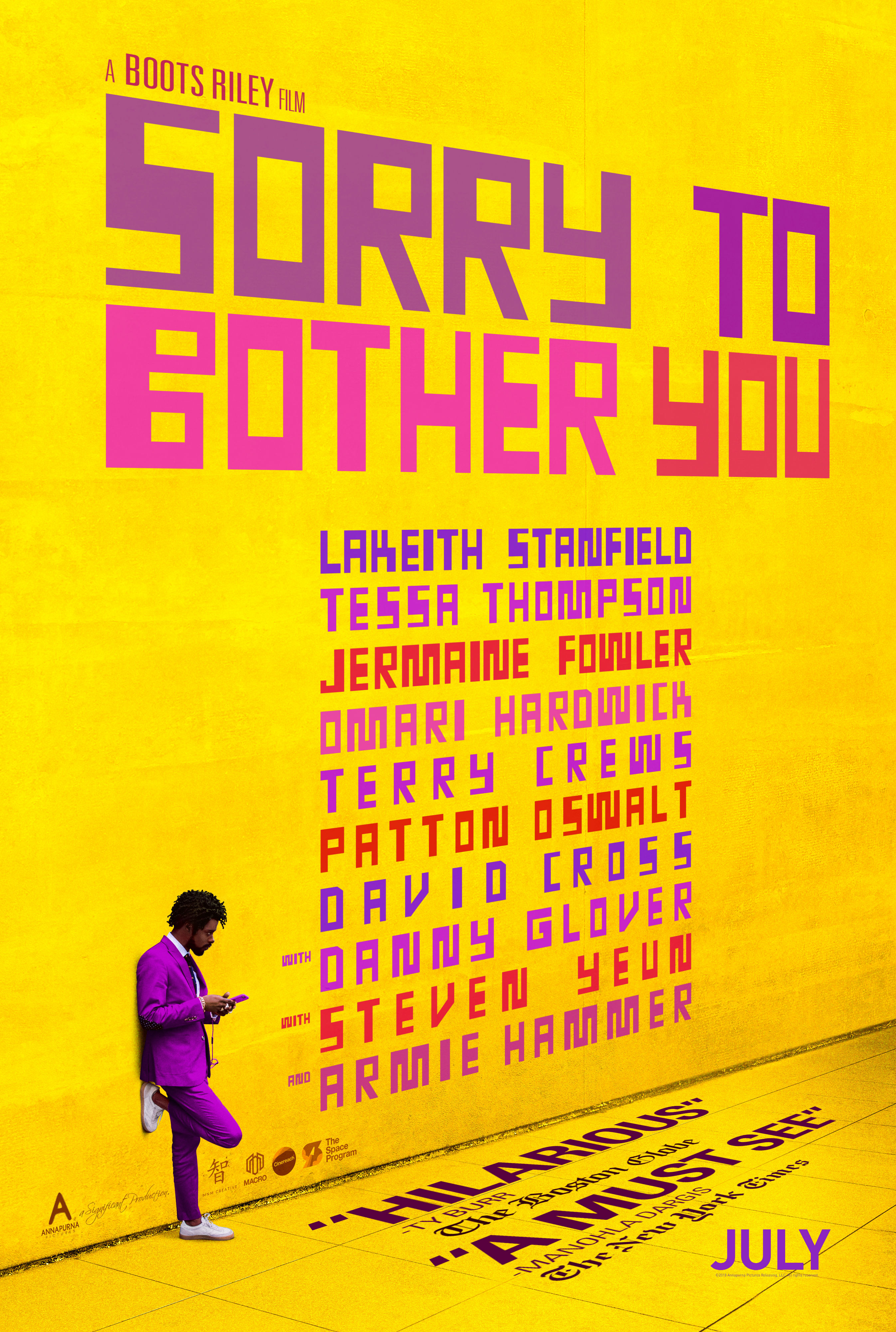
In an alternate present-day version of Oakland, telemarketer Cassius Green discovers a magical key to professional success, propelling him into a universe of greed.
- 2018 |
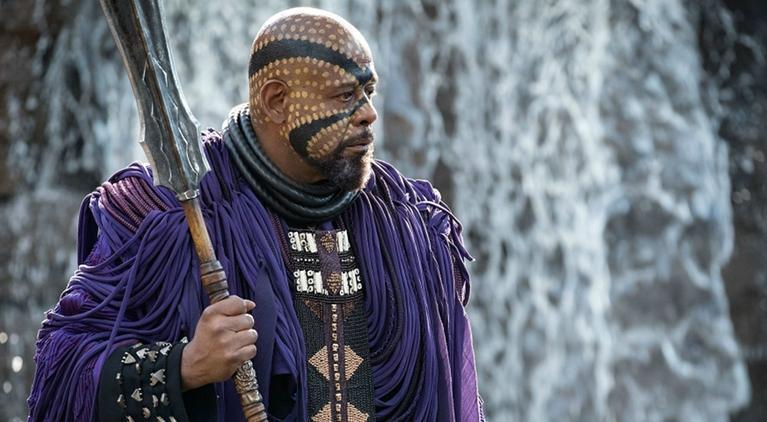
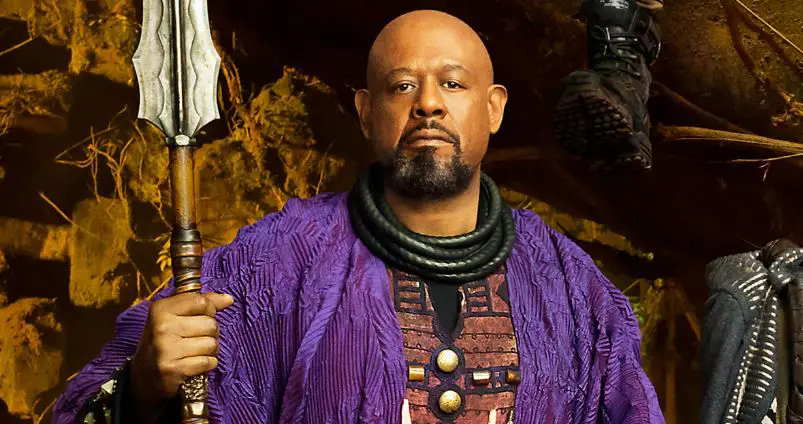
Black Panther
asZuri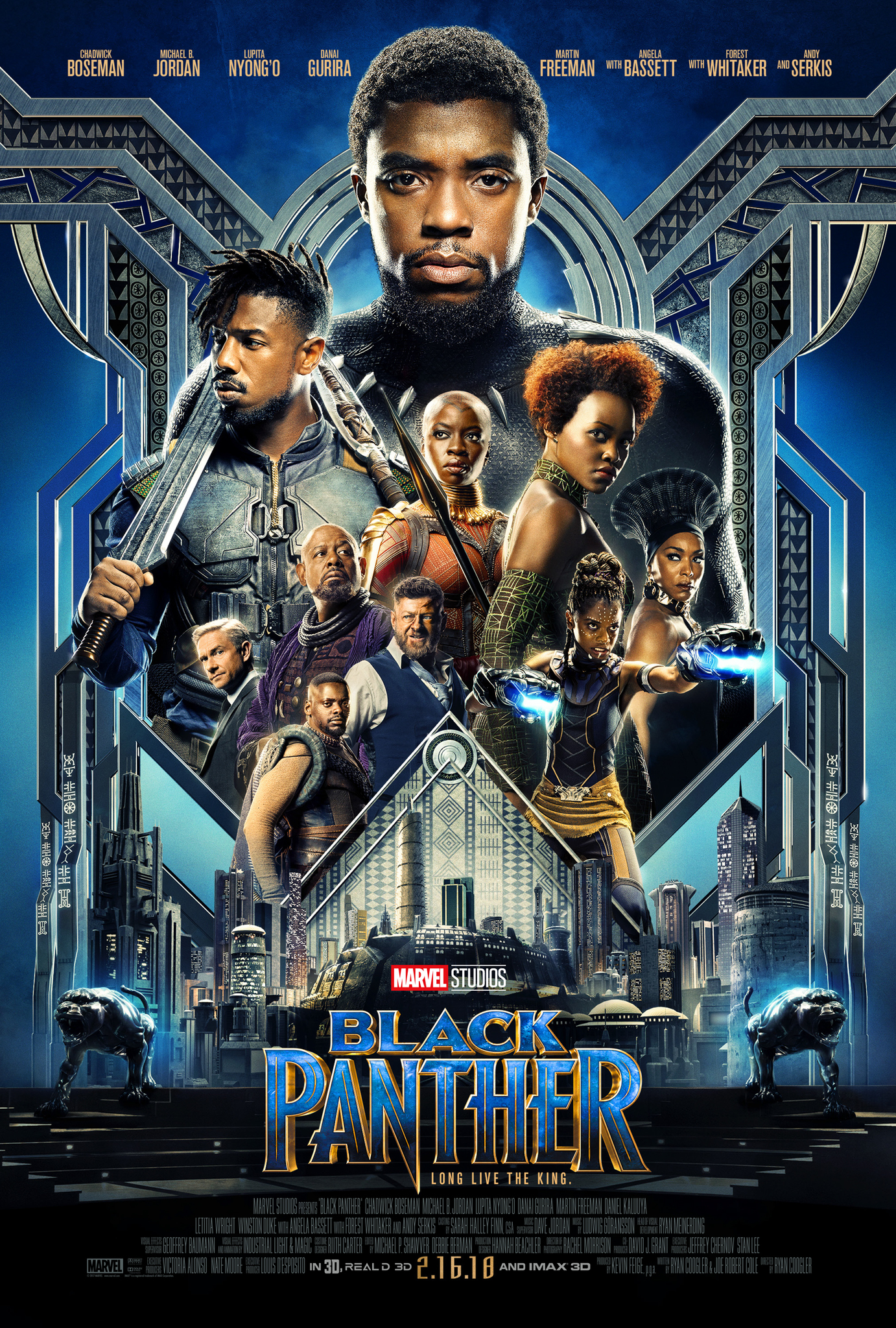
T'Challa, heir to the hidden but advanced kingdom of Wakanda, must step forward to lead his people into a new future and must confront a challenger from his country's past.
- 2016 |
- 2016 |
Rogue One: A Star Wars Story
asSaw Gerrera
In a time of conflict, a group of unlikely heroes band together on a mission to steal the plans to the Death Star, the Empire's ultimate weapon of destruction.
- 2015 |
- 2015 |
- 2014 |
Repentance
asAngel Sanchez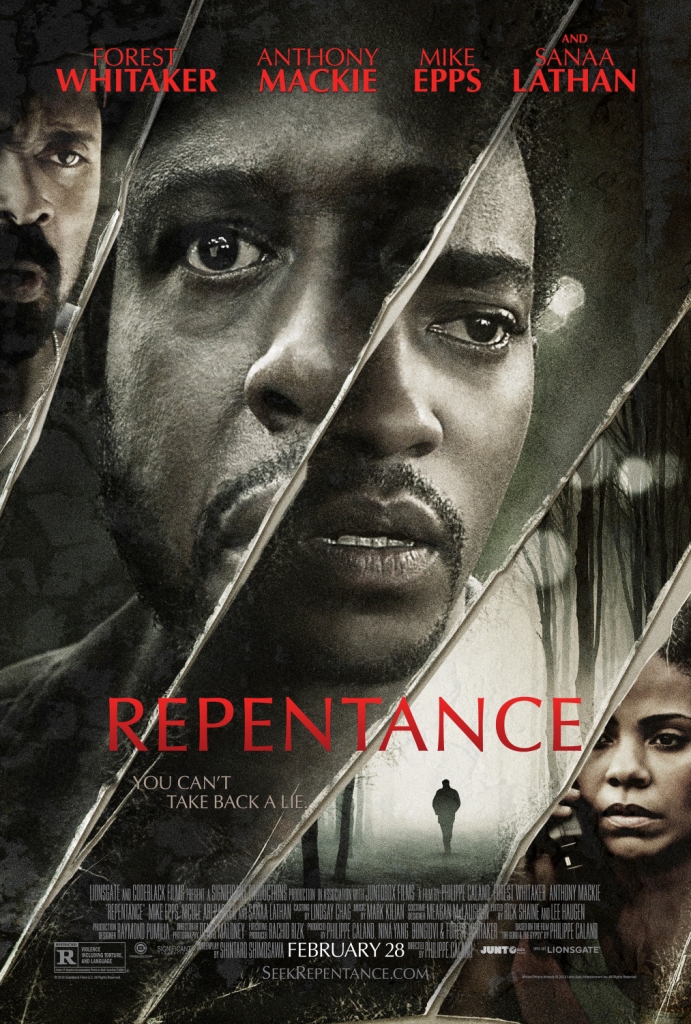
A successful author and spiritual advisor takes on a troubled man as a client, completely unaware that the man's fixation on his mother's death will soon put his life in jeopardy.
- 2013 |
The Butler
asCecil Gaines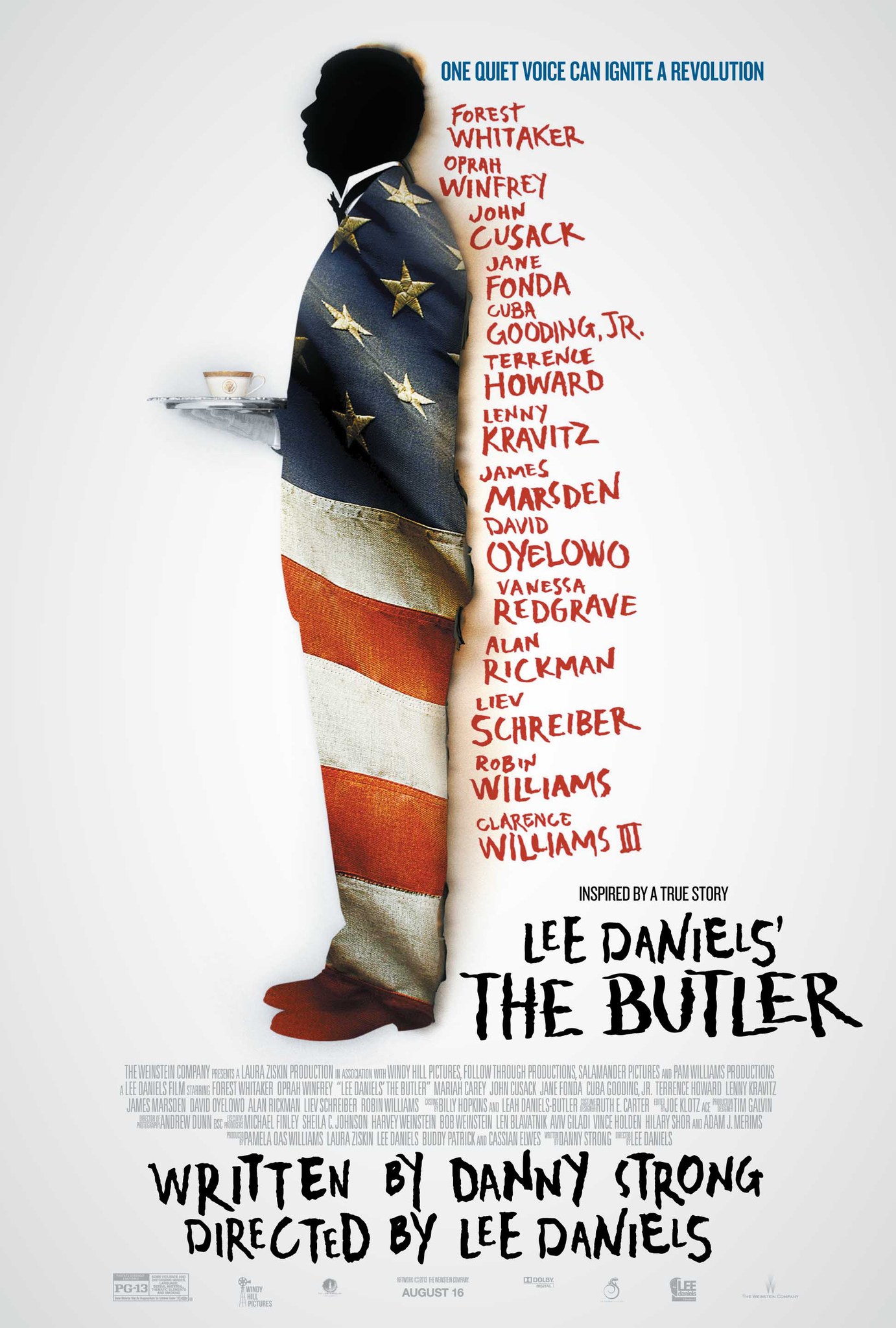
As Cecil Gaines serves eight presidents during his tenure as a butler at the White House, the civil rights movement, Vietnam, and other major events affect this man's life, family, and American society.
- 2013 |
The Last Stand
asAgent John Bannister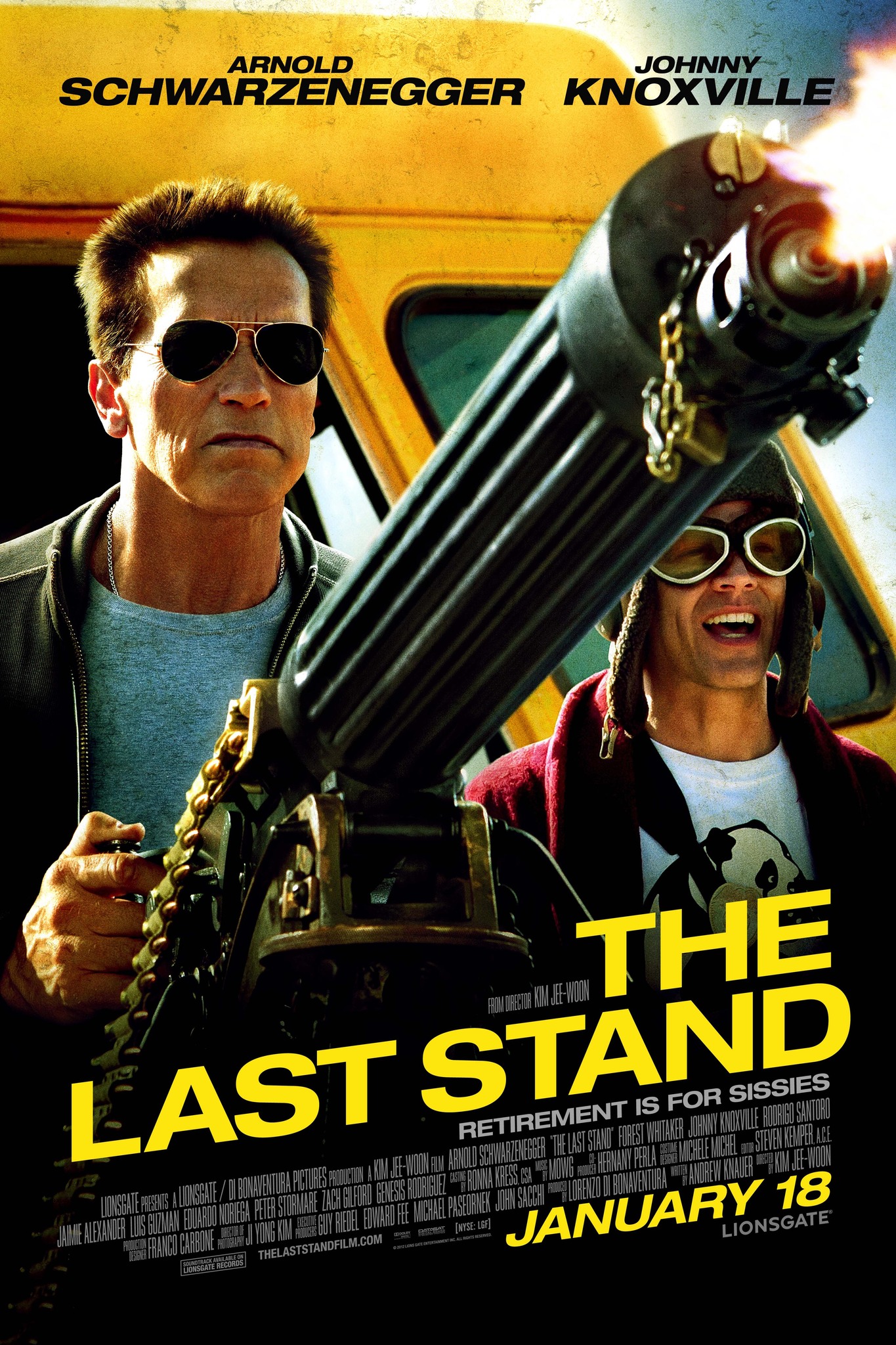
The leader of a drug cartel busts out of a courthouse and speeds to the Mexican border, where the only thing in his path is a sheriff and his inexperienced staff.
- 2013 |
Out of the Furnace
asChief Wesley Barnes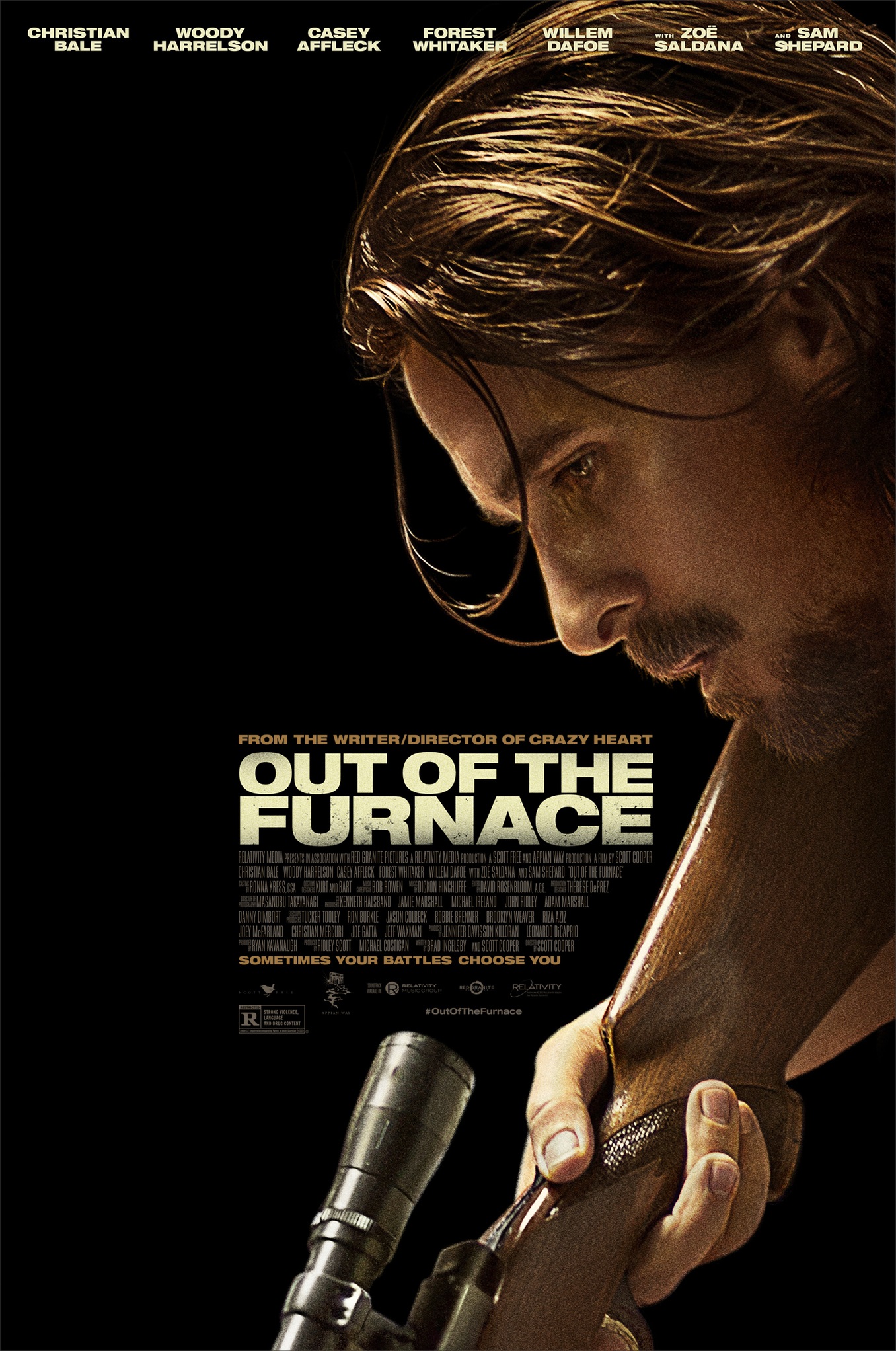
When Rodney Baze mysteriously disappears and law enforcement doesn't follow through fast enough, his older brother Russell takes matters into his own hands to find justice.
- 2002 |
Panic Room
asBurnham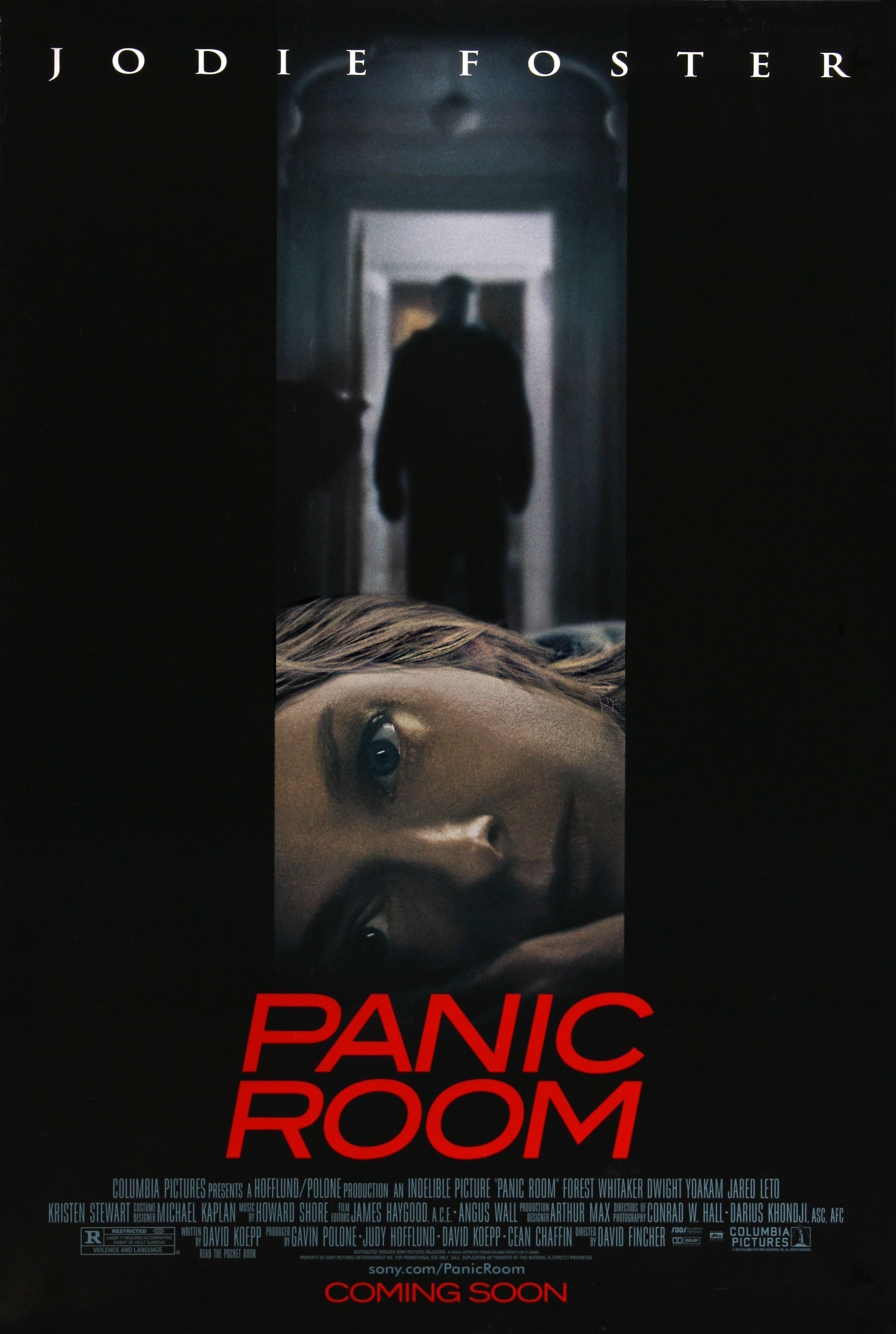
A divorced woman and her diabetic daughter take refuge in their newly-purchased house's safe room when three men break-in, searching for a missing fortune.
- 2000 |
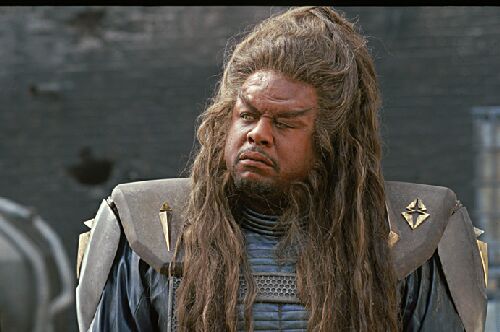
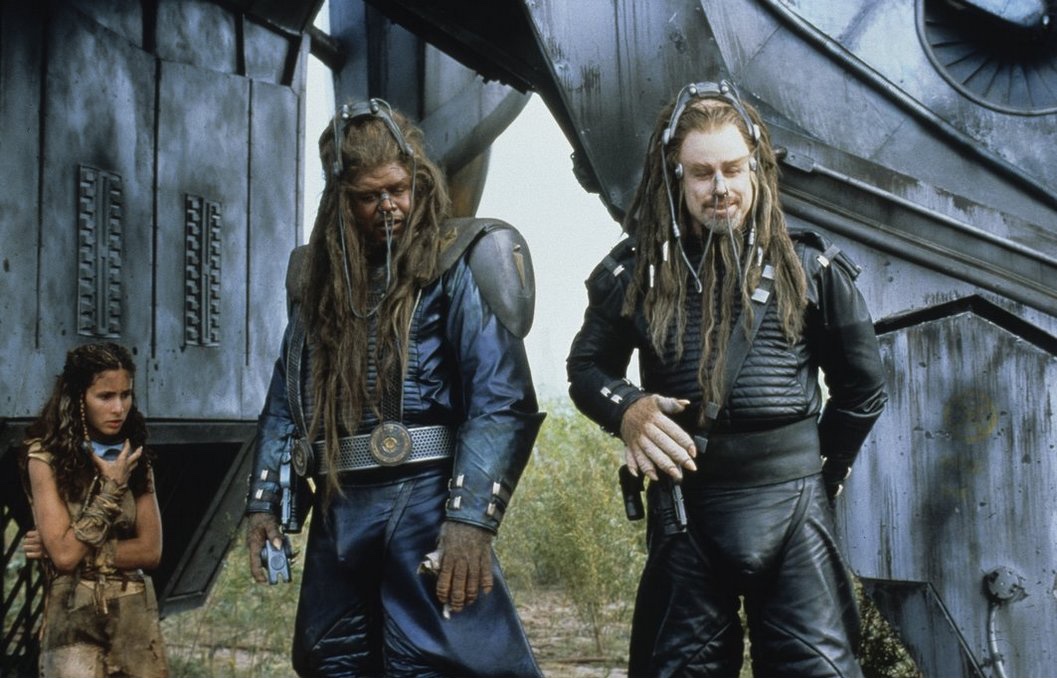
Battlefield Earth
asKer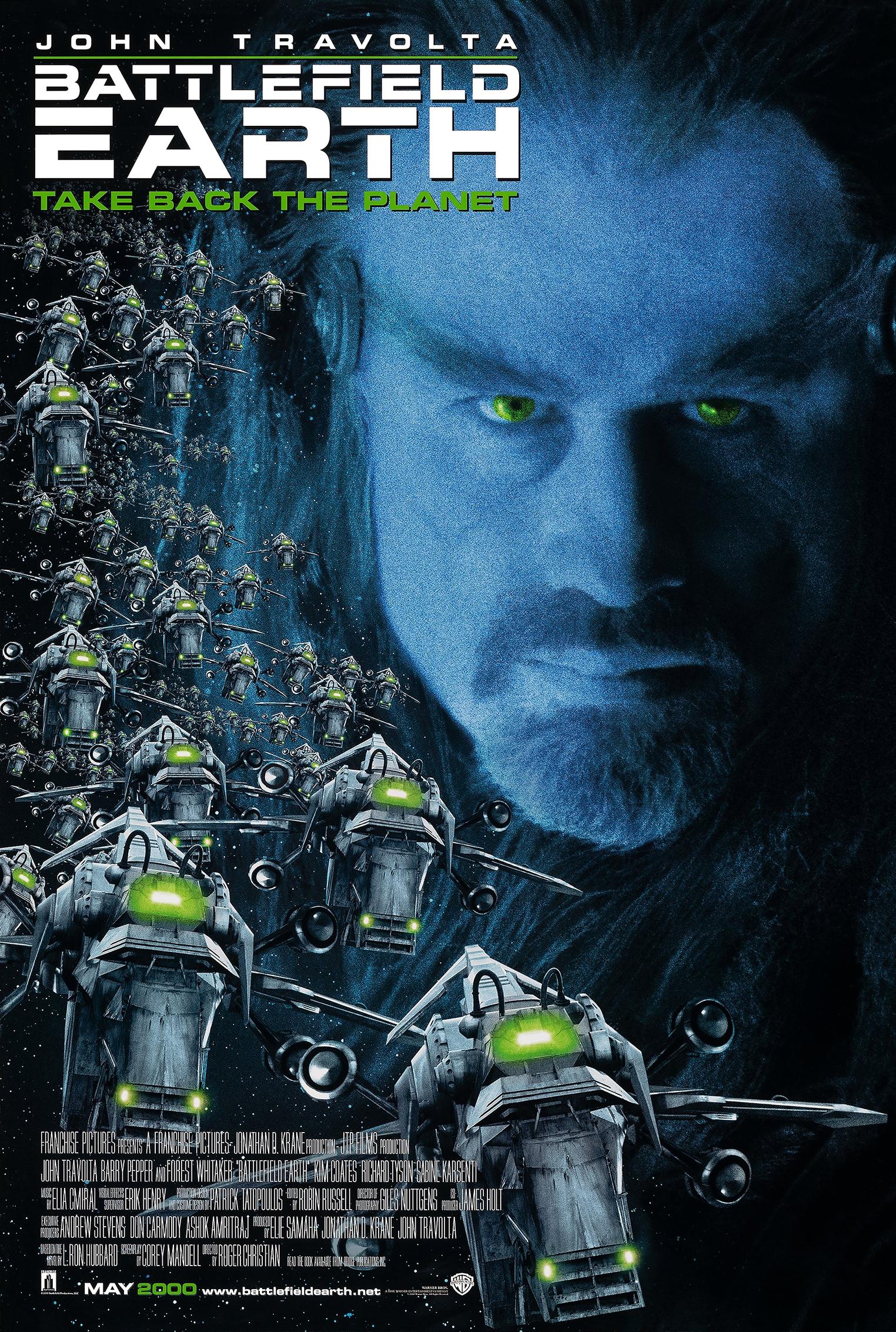
It's the year 3000 A.D., and the Earth is lost to the alien race of Psychlos. Humanity is enslaved by these gold-thirsty tyrants, who are unaware that their 'man-animals' are about to ignite the rebellion of a lifetime.
- 1988 |
Bloodsport
asRawlins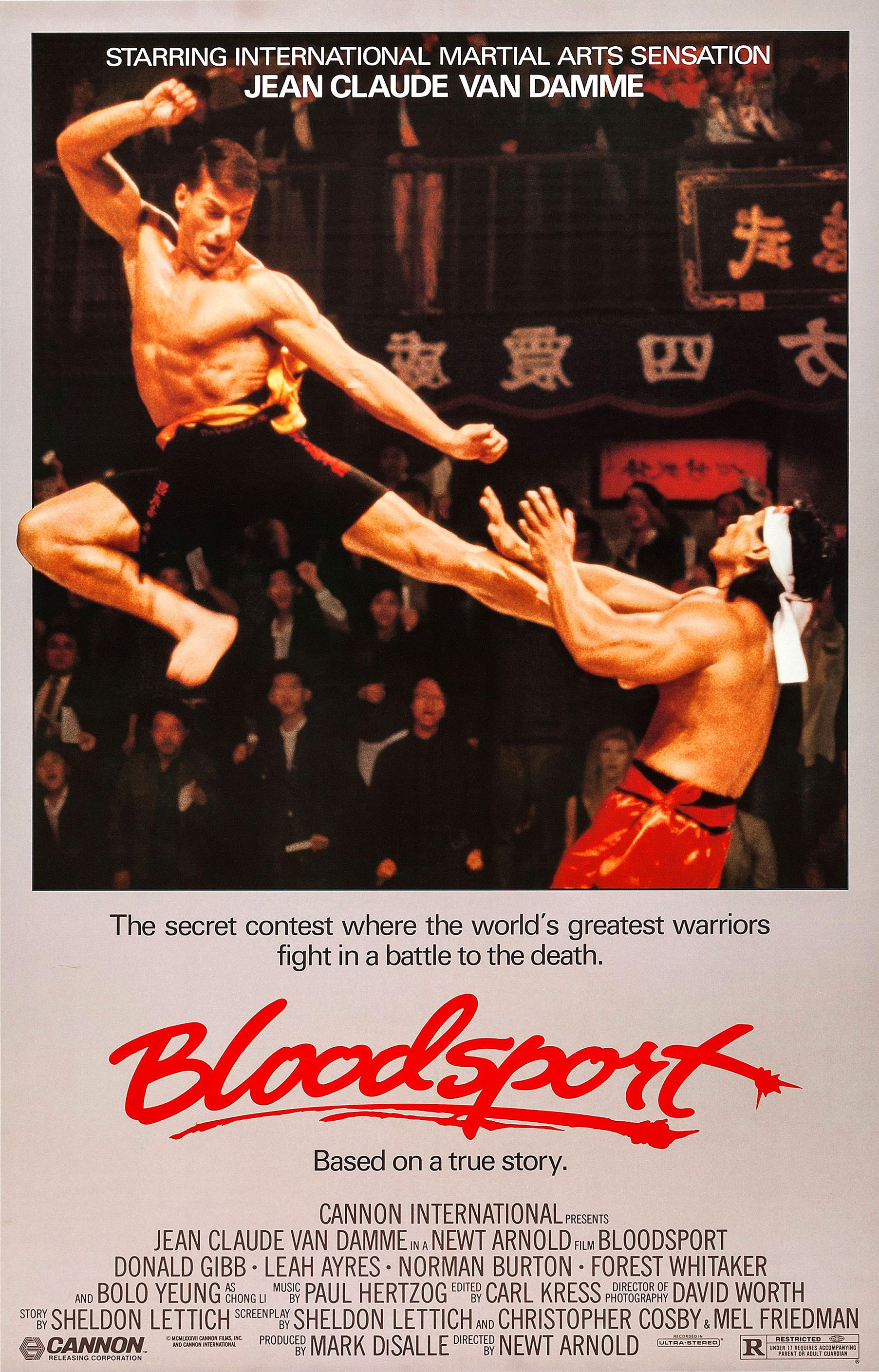
"Bloodsport" follows Frank Dux, an American martial artist serving in the military, who decides to leave the army to compete in a martial arts tournament in Hong Kong where fights to the death can occur.
- 1986 |
- 1982 |
Fast Times at Ridgemont High
asCharles Jefferson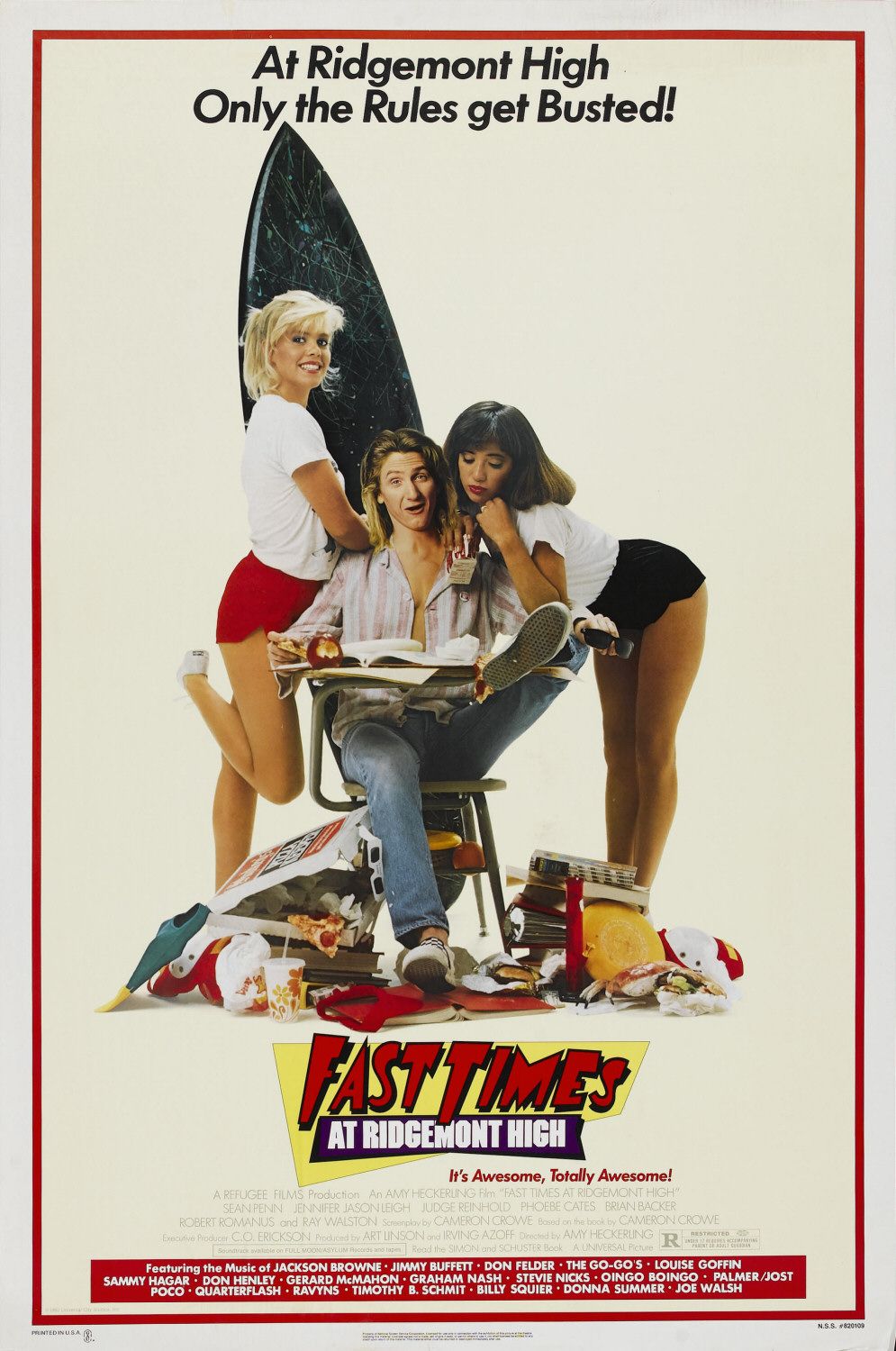
A group of SoCal high school students would rather ignore their studies and instead indulge in their teenage distractions.
- -- | as Tom Sutherland
- -- | as Reverend Kennedy



Producer
Previous (4)
- 2016 |
Songs My Brothers Taught Me
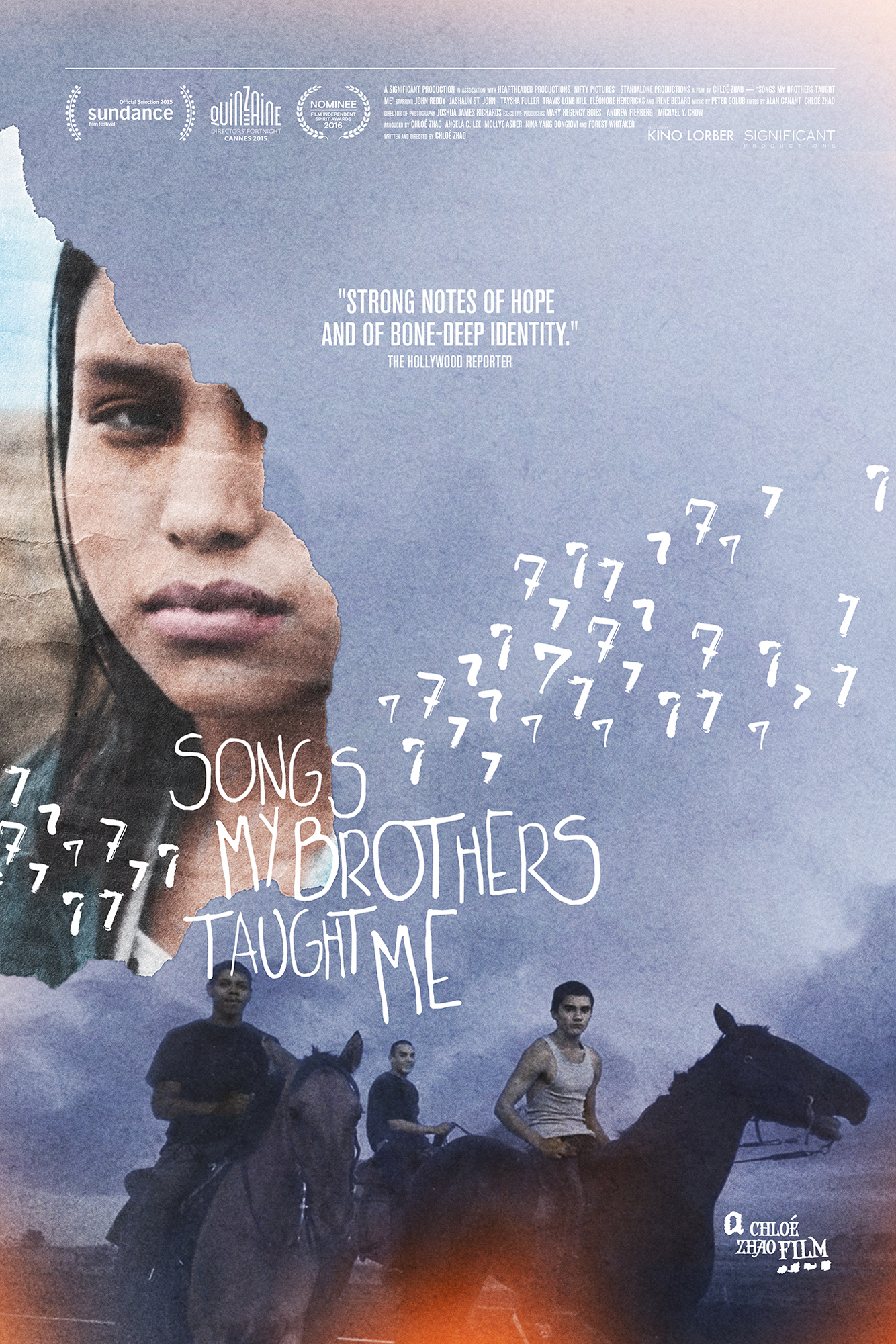
Two siblings living on Pine Ridge Reservation face challenges after their father's death. The brother considers leaving for LA, but it would mean separating from his beloved sister.
- 2015 |
- 2014 |
Repentance
A successful author and spiritual advisor takes on a troubled man as a client, completely unaware that the man's fixation on his mother's death will soon put his life in jeopardy.
- 2013 |
Fruitvale Station
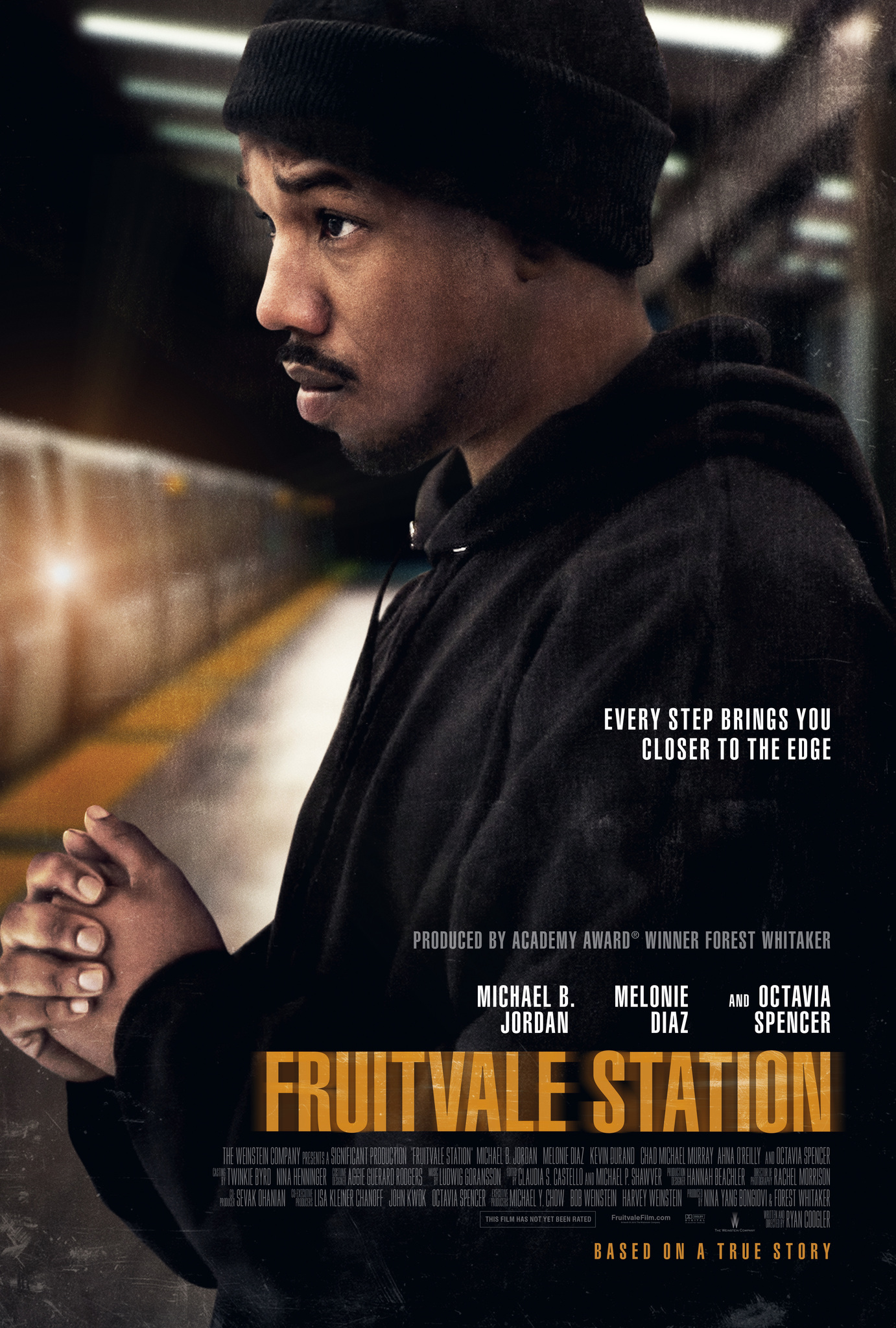
The story of Oscar Grant III, a 22-year-old Bay Area resident, who crosses paths with friends, enemies, family, and strangers on the last day of 2008.
Facts About Forest Whitaker
People Also Searched For